Marketo Auto
Silicone hoses are essential components in various automotive and industrial applications. They offer flexibility and durability, which is crucial for performance. However, a common question arises: what temperature can standard silicone hoses withstand?
Understanding the temperature limits of silicone hoses is vital for effective usage. Generally, they can handle temperatures from -60°F to about 500°F. This wide range makes them suitable for extreme environments. Still, the exact temperature tolerance can vary based on the specific formulation of silicone used.
Some might assume all silicone hoses have similar temperature thresholds, but this is not always the case. Factors like external conditions and application type can impact performance. Users must consider these variables carefully. Relying purely on general information may lead to mistakes. Always consult with manufacturers for specific guidance on the silicone hoses you are using. Such details are essential for achieving the best results in your applications.
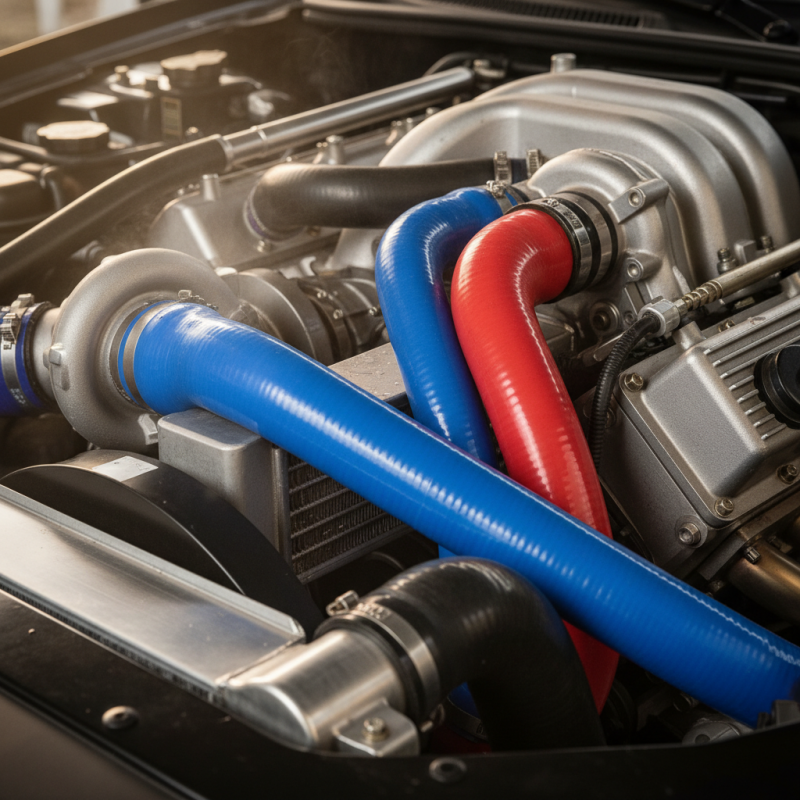
Silicone hoses are gaining popularity due to their durability and flexibility. They are composed of a silicone rubber material that offers excellent resistance to temperature extremes, chemicals, and environmental conditions. This makes them suitable for various applications, ranging from automotive systems to HVAC units. A key aspect of silicone hoses is their ability to withstand high temperatures, typically ranging from -55°C to 180°C. However, some high-grade silicone can endure temperatures up to 260°C. This wide temperature tolerance is one reason they are favored in many industries.
The properties of silicone contribute to its effectiveness. The material is non-toxic and maintains its flexibility even in harsh conditions. Additionally, silicone hoses resist oxidative degradation, which prolongs their life span. However, they can be prone to wear over time, especially if not used within their specified temperature range. Users should regularly inspect and replace them to ensure optimal performance. Proper installation techniques are also crucial, as improper installations can lead to leaks or ruptures. Understanding these aspects helps in making informed decisions about silicone hose applications, bringing a balance between performance and durability.
When evaluating silicone hoses, temperature resistance is crucial. Most silicone hoses can withstand temperatures from
-40°C to 200°C (-40°F to 392°F). These ranges vary across applications, affecting their performance and longevity. For high-performance engines, hoses may need to withstand short bursts of up to
250°C (482°F).
Key factors influence how silicone hoses resist temperature. The silicone's chemical composition significantly impacts thermal stability. For instance, some formulations include additives that enhance heat resistance. Additionally, the hose thickness can play a role in durability at elevated temperatures. Thicker hoses often provide better insulation, yet they can add weight and reduce flexibility.
Understanding the conditions in which silicone hoses operate is essential. For applications involving steam or hot fluids, specific grades may be necessary. Temperature cycling can also impact longevity, leading to premature failure. Thus, it is crucial to consider both maximum temperature and operational environment. As advancements in materials occur, assessing the right silicone type for your needs becomes increasingly complex.
Silicone hoses are essential components in various industries. They are valued for their flexibility and durability. One critical aspect is their temperature and pressure ratings. Many silicone hoses can endure temperatures from -65°F to 500°F (-54°C to 260°C). This wide temperature range makes them useful in extreme conditions.
When selecting silicone hoses, consider the application requirements. Different environments may demand specific ratings. Always refer to industry standards for guidance. Understanding the temperature and pressure limits helps ensure safety and efficiency.
Tips:
- Regularly inspect hoses for wear and tear.
- Avoid exposing hoses to extreme temperatures for prolonged periods.
- Use clamps to prevent leaks and maintain pressure stability.
In some cases, silicone hoses might not perform as expected under certain conditions. Factors like chemical exposure or unusual pressure can affect reliability. Testing and feedback are crucial for optimizing performance.
Silicone hoses have gained popularity for their durability and heat resistance. These hoses can typically withstand temperatures ranging from -60°C to 200°C. This range makes them suitable for various applications, from automotive engines to plumbing systems. In comparison, rubber hoses generally only tolerate temperatures up to 100°C. This significant difference highlights silicone’s strength in high-temperature environments.
When analyzing silicone hoses against other materials, their flexibility and chemical resistance stand out. Unlike PVC or traditional rubber, silicone hoses remain flexible even at extreme temperatures. A study published by the Society of Automotive Engineers noted that silicone hoses could last up to 30% longer than rubber counterparts. However, they can be more sensitive to ozone and UV exposure, which could lead to degradation over time. This factor necessitates regular inspections and maintenance.
It’s essential to consider the context of use. For instance, a silicone hose in a high-heat engine compartment may perform better than in an outdoor setting. Users must balance temperature tolerance with environmental factors. While silicone offers excellent thermal performance, its cost might not always justify the benefits in less demanding applications. Assessing the specific requirements is crucial for optimal hose selection.
| Hose Material | Maximum Temperature (°C) | Minimum Temperature (°C) | Flexibility | Durability (Years) |
|---|---|---|---|---|
| Silicone Hose | 180 | -60 | High | 10+ |
| Rubber Hose | 80 | -40 | Medium | 5-7 |
| PVC Hose | 60 | -10 | Low | 2-4 |
| Polyurethane Hose | 90 | -40 | Medium | 3-5 |
| Nylon Hose | 90 | -40 | High | 5-6 |
Silicone hoses are critical components across various industries due to their impressive temperature tolerance. These hoses often withstand temperatures ranging from -60°C to 200°C, making them suitable for diverse applications. In automotive sectors, silicone hoses are used in coolant systems. They efficiently handle high heat, preventing breakdowns and ensuring vehicle longevity.
In the food and beverage industry, silicone hoses are essential for conveying hot liquids. Their non-toxic nature and heat resistance make them ideal for high-temperature processes. However, manufacturers need to consider the potential for thermal expansion. This can alter dimensions, leading to inefficiencies or even failures.
Silicone hoses are also popular in medical equipment. They maintain integrity under high pressure and temperature, but their lifespan can be affected by repeated sterilization cycles. Understanding the durability and limitations of silicone hoses leads to better application strategies. Proper selection ensures high performance, but careful planning is crucial for optimal results.
: Silicone hoses are composed of silicone rubber, known for its durability and flexibility.
They can endure temperatures from -55°C to 180°C, with some up to 260°C.
Silicone hoses are more flexible and resist higher temperatures than rubber or PVC hoses.
Regular inspections for wear and proper installation techniques are essential for optimal performance.
Yes, they can wear out, especially if not used within their specific temperature range.
Not always; their performance may depend on environmental factors and chemical exposure.
They maintain flexibility but prolonged exposure can affect their integrity and reliability.
Avoid extreme temperatures, inspect regularly, and use clamps to prevent leaks.
Yes, they can last up to 30% longer under proper conditions.
Not necessarily; consider the application’s specific needs before choosing silicone hoses.
Silicone hoses have gained popularity across various industries due to their unique composition and admirable properties. They are known for their flexibility, durability, and resistance to extreme temperatures. Understanding what temperature can standard silicone hoses withstand is crucial for ensuring safety and efficiency in applications ranging from automotive to industrial uses. Typically, standard silicone hoses can endure temperatures ranging from -65°F to 500°F, making them suitable for high-heat environments.
Key factors influencing the temperature resistance of silicone hoses include their specific formulation, thickness, and intended application. Industry standards provide vital guidelines on temperature and pressure ratings, ensuring that silicone hoses perform effectively under varying conditions. Moreover, a comparative analysis reveals that while silicone hoses excel in temperature tolerance, other hose materials may offer different advantages for specific applications. This versatility allows silicone hoses to be a go-to choice in scenarios demanding reliable temperature control.
