Marketo Auto
China’s top rubber hose makers serve demanding automotive markets, yet even a well-made hose needs regular attention. How often should automotive rubber hoses be inspected? For most passenger vehicles, inspect them at every oil change, or at least every three to six months. A qualified technician should complete a detailed inspection annually. Vehicles facing heat, dust, heavy loads, or frequent stop-and-go driving may need monthly checks.
Automotive engineering educator Tom Denton offers a practical maintenance principle: “Inspection should be a maintenance decision, not a repair reaction.” That idea matters under the hood. Look for surface cracks, soft spots, swelling, abrasion, oil contamination, and loose clamps. Gently squeeze a coolant hose when the engine is cold. It should feel firm, not brittle or unusually spongy. Check bends and connection points carefully. These areas often fail first.
A hose can look acceptable and still be aging internally. That is an uncomfortable limitation. Mileage, temperature cycles, fluid compatibility, and installation quality all affect service life. Therefore, replacement should follow the vehicle manufacturer’s schedule, hose specifications, and the technician’s findings. Do not rely on appearance alone.
Leading Chinese manufacturers often publish material, pressure, temperature, and application data. Buyers should request traceable test information before selecting replacement hoses. In real workshops, a small coolant stain near a clamp may be dismissed as minor. It should not be. Early inspection can prevent overheating, roadside breakdowns, and expensive secondary damage. Regular records also reveal patterns that a single visual check may miss.
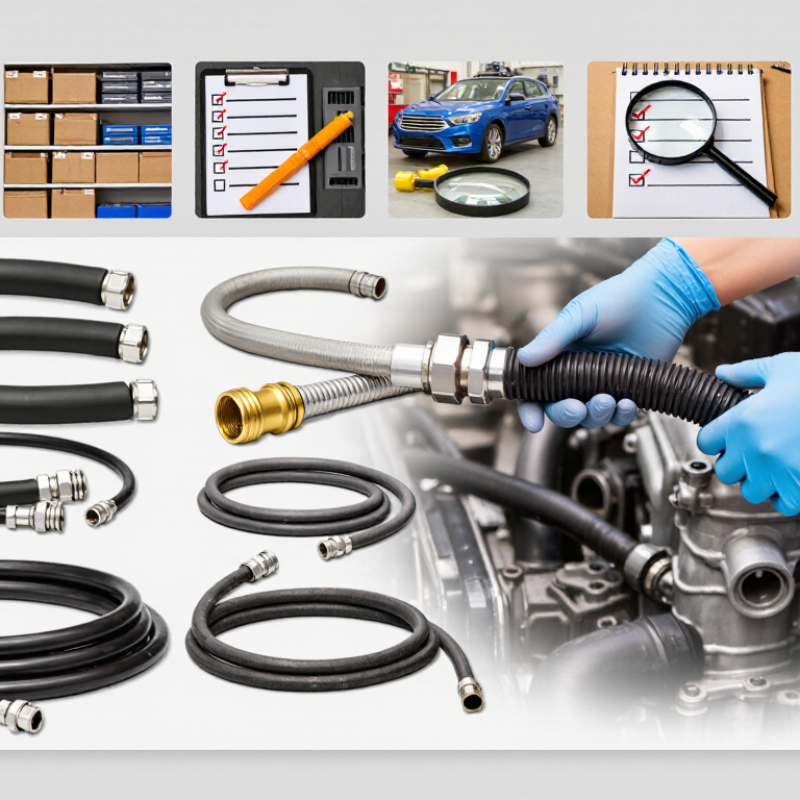
China Top 10 Rubber Hose Makers: How Often Should You Inspect?
A reliable rubber hose manufacturer in China shows control at every production stage. Ask for compound specifications, reinforcement details, pressure ratings, and batch traceability. These records should match the physical hose, not just a polished quotation. Experienced manufacturers can explain why a hose uses a certain rubber compound, fabric layer, or steel wire structure. Their answers should be clear and technically consistent.
Inspect the factory before large orders when possible. Look at mixing equipment, curing presses, storage conditions, and testing instruments. A clean production area matters, but it does not prove everything. Request samples from different batches and compare flexibility, inner diameter, wall thickness, and surface finish. Pressure and leakage tests should follow documented procedures. Independent test reports can add confidence, especially for demanding industrial applications.
Inspection should continue after approval. Check each incoming batch visually, then measure key dimensions regularly. For critical hoses, increase testing frequency during the first three deliveries. A stable supplier usually accepts reasonable audits and responds with corrective action when defects appear. Still, no manufacturer is flawless. I have seen good paperwork hide inconsistent curing between batches. That uncomfortable possibility deserves attention. Keep inspection records, review failure patterns, and discuss improvements with the technical team. A dependable manufacturer welcomes evidence, not blind trust.
This chart provides a practical maintenance baseline rather than a universal replacement rule. Low-risk general-service hoses are commonly reviewed every 12 months, while high-pressure, chemical, or safety-critical applications require more frequent inspections. A reliable rubber hose manufacturer should provide material traceability, application-specific compatibility data, pressure-test records, dimensional consistency, and clear inspection guidance. Always verify the final interval against the hose manufacturer's instructions, operating conditions, and applicable standards such as SAE J1273 and ISO 4413.
China’s top ten rubber hose makers are often separated by practical strengths, not factory size. Some excel in high-pressure hydraulic hoses for excavators and presses. Others focus on oil-resistant fuel lines, steam hoses, or abrasion-resistant mining products. A few specialize in food-contact and pharmaceutical applications, where clean surfaces and traceable materials matter. Their strongest manufacturers control rubber mixing, reinforcement winding, curing, and pressure testing in-house.
During supplier reviews, I look for more than a polished catalog. Reliable makers provide batch numbers, dimensional records, pressure-test results, and clear working-temperature limits. Strong hydraulic producers usually offer precise reinforcement layers and stable impulse performance. Industrial specialists often use thicker covers for rough floors and sharp edges. Chemical-service makers should explain compatibility instead of promising universal resistance. That detail matters. Rubber selection is never one-size-fits-all.
Inspection should begin before installation, then continue according to pressure, temperature, movement, and exposure. Check for cracks, blisters, flattened sections, loose fittings, and oil swelling. A monthly visual check suits many stationary systems, while heavily flexed lines deserve more frequent attention. Replace a hose after severe abrasion or an uncertain pressure event. One imperfect assumption remains common: a clean outer surface does not prove internal safety. Installation records, operating conditions, and manufacturer test data should guide the final decision.
| No. | Representative Maker Profile | Primary Product Strength | Common Hose Categories | Typical Application | Relevant Technical Standard | Recommended Inspection Frequency | Key Inspection Points |
|---|---|---|---|---|---|---|---|
| 1 | Profile A | High-pressure hydraulic assemblies with strong reinforcement and reliable crimping consistency | Wire-braid hydraulic hose; spiral-wire hydraulic hose | Construction equipment, agricultural machinery, and industrial power units | SAE 100 R1/R2; ISO 1436; ISO 18752 | Before each use; detailed inspection every month | Check for wire exposure, abrasion, bulges, leakage at fittings, and incorrect bend radius |
| 2 | Profile B | Flexible industrial hose designs with good resistance to oil, weather, and repeated handling | Oil suction and discharge hose; fuel hose; multipurpose hose | Factories, tank farms, workshops, and fluid-transfer systems | EN 1360; EN 1761; ISO 1823, where applicable | Before each transfer operation; formal review every 3 months | Inspect cover cracking, swelling, kinks, chemical attack, static bonding, and coupling security |
| 3 | Profile C | Abrasion-resistant hose construction for mining, quarrying, and heavy material handling | Concrete delivery hose; sandblast hose; slurry hose | Mining, shotcrete work, cement plants, and aggregate processing | EN 12115; EN ISO 3861; application-specific customer specifications | Before every shift; inspect internally every 1 to 3 months | Look for cover wear, exposed reinforcement, internal restriction, end wear, and coupling movement |
| 4 | Profile D | Steam and hot-water hose solutions designed for elevated temperature service | Steam hose; hot-water hose; cleaning hose | Food processing, laundries, chemical plants, and industrial cleaning | EN ISO 6134; ISO 15540, where applicable | Before each use; detailed review every month | Check heat damage, hardening, blistering, exposed reinforcement, fittings, and pressure-release condition |
| 5 | Profile E | Chemical-transfer hose designs selected for compatibility with specified acids, alkalis, and solvents | Chemical hose; acid hose; solvent-transfer hose | Chemical processing, battery production, and water-treatment facilities | EN 12115; chemical compatibility data from the hose manufacturer | Before and after each transfer; documented inspection at least monthly | Verify chemical compatibility, inspect liner discoloration, leakage, soft spots, static continuity, and coupling seals |
| 6 | Profile F | Food-grade hose assemblies using smooth, cleanable tube materials and hygienic fittings | Food and beverage hose; dairy hose; sanitary transfer hose | Dairies, breweries, beverage plants, and hygienic processing lines | FDA 21 CFR requirements where applicable; EU food-contact rules where required | Before every production run; formal hygiene inspection weekly | Inspect cleanliness, liner cuts, odor, discoloration, trapped material, gasket condition, and connection integrity |
| 7 | Profile G | High-temperature silicone and rubber hose options for stable performance across changing temperatures | Silicone hose; radiator hose; turbocharger hose | Automotive systems, engine cooling, air-charge, and industrial thermal equipment | SAE J20; ISO 1307; application-specific OEM specifications | Every 6 months; before seasonal operation or major maintenance | Check softening, hardening, surface cracks, clamp damage, oil contamination, and loss of shape |
| 8 | Profile H | Compact pneumatic and air-brake hose solutions with good flexibility and pressure stability | Compressed-air hose; air-brake hose; pneumatic hose | Trucks, buses, automation equipment, and factory air systems | SAE J1402; ISO 7628; ISO 2398, where applicable | Before vehicle or machine operation; detailed review every 3 months | Check air leakage, chafing, connector damage, abrasion near clamps, and minimum bend-radius compliance |
| 9 | Profile I | Marine and outdoor hose constructions with resistance to saltwater, sunlight, and weather exposure | Marine exhaust hose; bilge hose; seawater hose | Boats, ports, offshore equipment, and coastal water systems | SAE J2006; ISO 13363; relevant marine classification requirements | Before each voyage or operation; detailed inspection every 6 months | Inspect for ozone cracking, salt deposits, soft spots, exhaust-heat damage, clamp corrosion, and leakage |
| 10 | Profile J | Custom-length and custom-end hose assemblies for specialized industrial layouts | Custom hydraulic hose; formed hose; fabricated industrial assembly | Steel mills, energy systems, process lines, and customized machinery | ISO 17165-2; ISO 4413; project-specific engineering requirements | Before commissioning; monthly visual checks; annual documented assessment | Verify routing, support, vibration, pressure rating, fitting orientation, abrasion protection, and identification tags |
Inspection intervals are general maintenance guidance. Actual frequency should be adjusted for pressure, temperature, chemical exposure, vibration, flexing, installation quality, and the hose manufacturer’s service instructions. Remove any hose from service immediately when reinforcement is exposed, leakage is visible, or a fitting has moved.
Rubber hose inspection frequency depends on pressure, temperature, movement, and chemical exposure. SAE J1273 recommends regular visual checks, but it does not set one universal interval. ISO 4413 also requires inspection and maintenance based on system risk. A hose beside a hot press needs closer attention than one carrying cool air. A fixed six-month rule sounds tidy, but it can mislead.
For high-pressure hydraulic lines, inspect before each shift when workers stand nearby. Check for bulges, cuts, exposed reinforcement, flattened sections, and oily dust. A small wet patch near the fitting deserves immediate investigation. Record the hose age, operating pressure, temperature, and replacement date. ISO 18752 classifies hose performance by pressure, temperature, and impulse resistance. These ratings help determine service suitability, not a replacement deadline.
Mobile equipment needs extra checks because vibration and repeated bending accelerate damage. Inspect after unusual pressure spikes, impact, or sudden temperature changes. Replace assemblies showing exposed wire, damaged covers, leaking fittings, or permanent deformation. Do not rely only on appearance. Internal fatigue may remain invisible.
One practical weakness is poor recordkeeping; many teams inspect carefully but document almost nothing.
Review failed hoses quarterly, compare their failure modes, and adjust the inspection interval when operating conditions change.
China’s top rubber hose makers cannot replace disciplined inspection. Check hoses before each shift, after unusual pressure events, and during scheduled maintenance. SAE J1273 recommends inspection intervals based on service severity, temperature, pressure, and chemical exposure. A clean hose can still be unsafe.
Use this step-by-step procedure: isolate pressure, then wipe the hose. Look for cuts, abrasion, bubbles, cracks, soft spots, exposed reinforcement, and oil seepage. Check fittings for corrosion, looseness, and misalignment. Bend the hose gently; never twist it beyond its natural curve. Measure clearance from hot surfaces and moving parts. A warning sign is a hose rubbing against a frame, even without visible damage. Replace assemblies with damaged covers, leaking ends, or unclear identification. Do not repair pressure hoses with tape.
Tips: Record the date, location, defect, and action taken. Compare photographs monthly. Keep failed samples for review when practical. The U.S. Health and Safety Executive reported 561,000 self-reported workplace injuries in Great Britain during 2023/24. That figure is not hose-specific, but it shows why small maintenance decisions deserve attention. I would not treat a passed visual check as proof of safety. Pressure testing, competent examination, and manufacturer guidance may still be necessary. Inspections should become more frequent in dirty, hot, vibrating, or chemically aggressive areas.
Inspection schedules should match the rubber hose application, not a convenient calendar. Heat, pressure, movement, and chemical exposure can change hose condition quickly. Always follow the manufacturer’s instructions and site safety procedures.
Hydraulic hoses in heavy equipment deserve a visual check before each shift. Look for surface cracks, swelling, abrasion, leaks, and damaged fittings. A detailed inspection every month is sensible for demanding service. Replace hoses immediately after severe impact or pressure spikes.
Compressed-air hoses need checks before daily use, especially near sharp edges and couplings. Inspect them weekly in busy workshops. Air leaks may sound minor, but they can signal deeper damage.
Water and low-pressure service hoses often need monthly inspections. Seasonal equipment may require checks before storage and before every restart.
Chemical-transfer hoses need closer control. Inspect them before each transfer, then document a thorough review weekly or according to chemical compatibility guidance. Never rely on appearance alone. Internal deterioration can remain hidden.
Tips: Keep an inspection log with the hose location, service medium, date, and observed defects. Use clean gloves and good lighting. Flex the hose only within its rated limits. A rigid schedule can fail when operating conditions change, so adjust inspection frequency after unusual heat, vibration, contamination, or repeated repairs. When uncertain, remove the hose from service and request a qualified assessment.
Reliable manufacturers control mixing, reinforcement, curing, and pressure testing. They provide batch numbers and dimensional records. Paperwork matters.
Choose a hose with precise reinforcement layers and stable impulse performance. Check pressure, movement, and temperature ratings. Excavators need serious protection.
Abrasion-resistant hoses usually have thicker outer covers. They handle sharp edges, rough floors, and repeated contact better. Damage still happens.
Confirm compatibility with the specific chemical, temperature, and pressure. Avoid claims of universal resistance. A hose can look perfect outside.
Check them before every equipment shift. Perform a detailed monthly inspection during demanding service. Replace hoses after severe impact or pressure spikes.
Check for cracks, blisters, swelling, leaks, flattened sections, abrasion, and loose fittings. Inspect under bright light. Listen for air leaks.
Monthly checks suit many low-pressure water hoses. Seasonal equipment needs inspection before storage and every restart. Hidden internal damage remains possible.
Record the hose location, service medium, inspection date, and defects. Include pressure-test results and temperature limits when available. Records prevent guesswork.
Remove it after severe abrasion, uncertain pressure exposure, repeated repairs, or unexplained swelling. Ask a qualified person when conditions are unclear. Do not gamble.
Choosing a reliable rubber hose manufacturer in China requires more than comparing prices. Key indicators include consistent material quality, precise manufacturing processes, strong testing standards, traceable production, technical support, and the ability to provide hoses suited to specific pressure, temperature, chemical, and environmental conditions. China’s leading manufacturers generally distinguish themselves through specialized product strengths, such as hydraulic, automotive, industrial, fuel, air, water, or high-temperature hose solutions.
Inspection frequency depends on hose material, operating pressure, temperature, vibration, exposure to chemicals, installation conditions, and usage intensity. A practical inspection should check for cracks, abrasions, swelling, hardening, leaks, corrosion around fittings, loose connections, and unusual flexibility or stiffness. So, how often should automotive rubber hoses be inspected? They should receive a routine visual check at regular service intervals and a more thorough inspection whenever the vehicle experiences overheating, fluid loss, unusual odors, or visible hose damage. Industrial and high-risk applications may require daily or weekly checks, while low-stress systems can follow monthly or scheduled maintenance inspections. Consistent records help identify aging patterns and prevent unexpected failures.
