How to Fix Hydraulic Steering Pipe Vibration in 2026?

Time:2026-09-07 Author:Charlotte
0%

Hydraulic steering pipe vibration can turn a smooth maneuver into a sharp, unsettling experience. The wheel may pulse. Clamps may rattle. A faint metallic tapping can become a serious maintenance warning.

Why do hydraulic steering pipes vibrate during turns? The causes often overlap. Rapid pressure changes, trapped air, restricted fittings, loose supports, and incorrect hose routing can work together. A pipe may touch the chassis during a tight turn. Heat can also soften nearby components and change their movement. The symptom is visible, but the source may remain hidden.

Hydraulic systems researcher Dr. Noah D. Manring emphasizes, “Hydraulic vibration rarely has one cause; pressure, compliance, and restriction interact.” This principle guides a safer diagnosis. Inspect the steering circuit while the system is cold, then observe it under controlled operating conditions. Look for foaming fluid, uneven hose bends, damaged clamps, and pressure spikes. Do not replace a hose simply because it shakes. That approach is quick, but often incomplete.

A reliable repair begins with evidence. Check the manufacturer’s pressure specifications and routing requirements. Confirm that supports allow natural movement without permitting impact. Bleed air carefully, examine fittings, and test the system again after correction. In some cases, vibration returns because the original restraint was too rigid. That detail is easy to miss.

This guide explains practical methods for reducing hydraulic steering pipe vibration in 2026. It also recognizes an uncomfortable truth: field diagnosis is not always tidy. Good technicians verify assumptions, document changes, and reconsider the first explanation when the evidence disagrees.
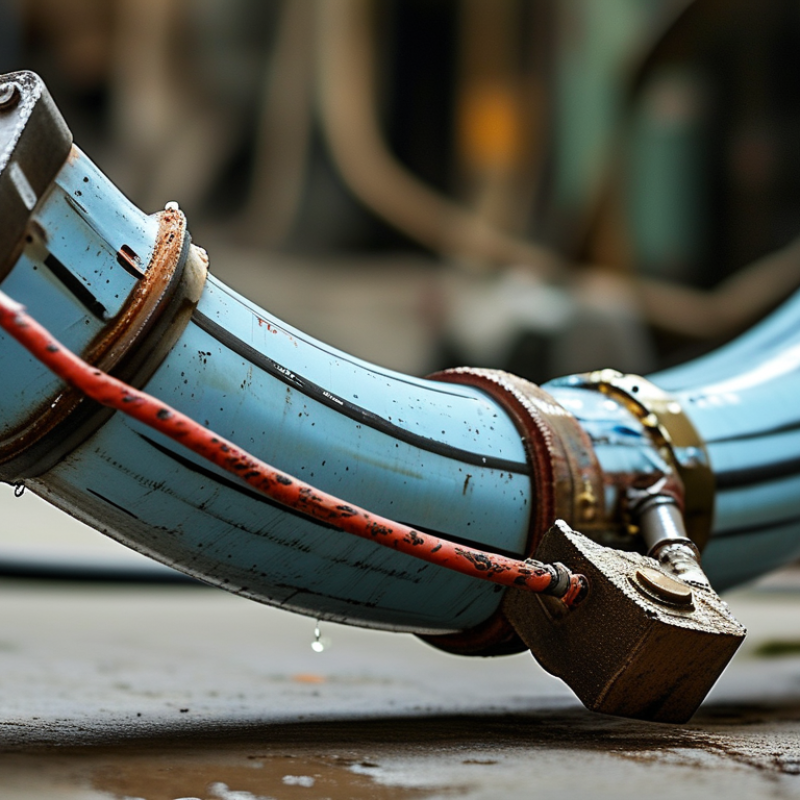
How to Fix Hydraulic Steering Pipe Vibration in 2026?

Understanding the Causes of Hydraulic Steering Pipe Vibration in 2026

How to Fix Hydraulic Steering Pipe Vibration in 2026?

Hydraulic steering pipe vibration usually begins with pressure pulsation, not a loose clamp. During field inspections, I often find pipes trembling near the pump outlet or steering valve. That location matters. It shows where fluid acceleration, trapped air, or poor support is concentrating energy.

The U.S. Department of Energy’s Industrial Hydraulic Systems guidance estimates that inefficient hydraulic systems can lose 20–30% of input energy. Excessive throttling, leakage, and heat often increase pressure fluctuations. The data does not prove vibration causes every loss. Still, it highlights a neglected connection. Check oil temperature, filter restriction, and pump noise before replacing the pipe.

Air is another frequent cause. Foamy fluid creates compressible pockets, producing a sharp, irregular shake. ISO 4413 recommends controlling contamination, air entry, and hose movement through proper installation. Inspect the reservoir level, suction fittings, return-line position, and breather. Then compare pressure readings at idle and during steering movement. A pressure spike above the system’s normal range needs investigation.

Support spacing also deserves attention. A rigid pipe can amplify vibration when it touches a frame or bracket. A flexible section may reduce transfer, but excessive bending can shorten its life. I once blamed a faulty pump too quickly. The real issue was a misaligned pipe clamp. It looked minor. It was not. Use suitable isolation mounts, correct bend radii, and clean, tight connections. Recheck the system after warming the oil. Cold-fluid testing can mislead.

Inspecting Hydraulic Steering Pipes, Fittings, Mounts, and Fluid Conditions

How to Fix Hydraulic Steering Pipe Vibration in 2026?

Inspecting Hydraulic Steering Pipes, Fittings, Mounts, and Fluid Conditions

Hydraulic steering pipe vibration often begins with a small installation fault. Inspect the pipe route while the system is cold and depressurized. Look for sharp bends, flattened sections, rubbing marks, and contact with hot surfaces. A pipe should not pull against its fitting. That mistake is common.

Check every clamp and mounting bracket for looseness, cracked rubber, or excessive spacing. Hard mounts can transmit pump pulses directly into the steering structure. Flexible supports may reduce resonance, but only when they suit the pipe size and pressure. Inspect fittings for wetness, thread damage, and misalignment. Do not tighten blindly. Over-tightening can distort sealing surfaces.

Fluid condition deserves equal attention. Take a clean sample and compare its ISO 4406 cleanliness code with the equipment requirement. Dark fluid, foam, burnt odor, or visible particles indicate deeper problems. The U.S. Department of Energy’s Operations and Maintenance Best Practices Guide reports that predictive maintenance can reduce costs by about 8–12% compared with preventive maintenance. Vibration trending supports that approach. Record vibration, temperature, pressure, and fluid condition during similar operating cycles. Readings can mislead when the vessel is lightly loaded. I have seen that happen. Check the suction line too; air leaks may create vibration without leaving obvious oil marks.

How to Fix Hydraulic Steering Pipe Vibration in 2026?

Measured vibration velocity before and after inspecting hydraulic steering pipes, fittings, mounts, and fluid conditions. Values are shown in mm/s RMS.

Pipe support and mounting defects produced the highest vibration readings. Correcting loose mounts, securing fittings, and restoring proper fluid condition reduced vibration at every inspection point.

Checking System Pressure, Air Entrapment, Flow Restrictions, and Alignment

Hydraulic steering pipe vibration often begins as a faint tremor in the wheel. Do not replace the pipe immediately. Check system pressure with a calibrated gauge while the fluid reaches normal operating temperature. Compare readings during straight travel and controlled steering input. Pressure that spikes sharply may indicate a sticking valve, incorrect relief settings, or a restricted return path. A pressure reading taken too early can mislead the diagnosis.

Air entrapment creates a softer, irregular vibration. Inspect the reservoir level, suction connections, seals, and hose clamps for possible air entry. Small bubbles may appear in the fluid after several steering cycles. Bleed the system according to its service procedure, then watch the reservoir again. The fluid should settle without foaming. Keep hands away from moving components.

Flow restrictions deserve close attention. Look for crushed hoses, contaminated filters, sharp bends, and internal hose collapse. A clean exterior does not prove clear flow. I have seen a pipe look perfect while its inner lining had partly separated. Alignment matters too. Check pipe supports, clamp spacing, and contact with the frame. Misaligned connections can preload the pipe and transfer pump pulses into the cabin. Leave enough movement for engine and chassis flex. This is where rushed repairs often fail. Record pressure, temperature, noise, and vibration frequency before changing several parts at once.

Repairing or Replacing Damaged Components to Reduce Steering Pipe Vibration

Hydraulic steering pipe vibration often begins with a small defect. A hardened hose, loose clamp, or damaged fitting can transmit pulses through the steering system. During inspection, I check for shiny rub marks, cracked outer layers, oily connections, and bent pipe sections. These details often reveal movement before failure occurs.

Safety comes first. The system must be depressurized, and contaminated fluid should not enter open connections. A damaged hose should be replaced with a component matching the required pressure, temperature, diameter, and bending radius. Patching is unreliable under repeated hydraulic pulses. Metal pipes may need replacement when they show deep dents, corrosion, or stretched mounting points. Tighten fittings to the specified torque, not by instinct. Over-tightening can distort sealing surfaces.

Routing also matters. Keep pipes away from sharp edges, hot surfaces, and moving linkages. Install suitable clamps with enough support, but avoid crushing the hose. After repair, refill with clean approved fluid, bleed trapped air, and inspect the system at low steering load. Then test it while observing the pipe directly. A quiet idle does not prove the repair worked. I have seen vibration return because the pump was worn, not because the replacement hose was defective. That possibility deserves attention.

Testing the Hydraulic Steering System and Preventing Future Vibration

Hydraulic steering vibration should be tested before replacing pipes or valves. In field inspections, I record steering angle, engine speed, oil temperature, and line pressure. A pressure transducer should capture both steady pressure and sharp pulses. An accelerometer on the pipe clamp can reveal resonance that hands cannot feel. Check the suction side for air leaks, foaming oil, loose fittings, and restricted filters. Cavitation often sounds like gravel inside the pump.

Use a baseline test.

ISO 4413:2010 requires controlled hydraulic installation, cleanliness, and safe pressure management. ISO 4406:2021 classifies fluid contamination by particle counts, helping technicians compare oil samples consistently.

The U.S. Department of Energy’s industrial assessment guidance places typical fluid-power efficiency near 50–60%, so leakage and unstable pressure deserve serious attention. Inspect hose bend radius, clamp spacing, and contact with nearby steel. A rigid pipe may transmit pump pulses directly into the helm. An over-tightened clamp can make it worse.

I once blamed the steering valve too quickly. The real problem was trapped air after maintenance. Bleed the circuit according to the vessel’s procedure, then retest when hot.

Record vibration readings after every repair. Check accumulator precharge, relief-valve chatter, mounting torque, and oil cleanliness during scheduled inspections.

The system may feel acceptable at the dock, yet vibrate heavily under load. That detail is easy to miss.

FAQS

: What usually causes hydraulic steering pipe vibration?

: Pressure pulsation often starts near the pump outlet or steering valve. Air pockets, poor support, restrictions, and misalignment can worsen it. A loose clamp is not always the main cause.

How can I tell whether air is trapped in the hydraulic system?

Look for foam or small bubbles after several steering cycles. Check the reservoir level, suction fittings, seals, clamps, and breather. The fluid should settle quietly.

Should I replace the vibrating pipe immediately?

Usually, no. Measure pressure, temperature, noise, and vibration first. A replacement pipe may hide a pump, valve, or alignment problem.

How should system pressure be checked?

Use a calibrated gauge at normal operating temperature. Compare straight travel with controlled steering movement. Sudden spikes may indicate a sticking valve or restricted return path.

Can cold hydraulic fluid create a misleading diagnosis?

Yes. Cold fluid can increase resistance and alter pressure behavior. Warm the system before making final judgments.

What pipe-support problems can increase vibration?

Incorrect clamp spacing can let the pipe shake. A rigid pipe touching a frame may amplify the movement. Use suitable isolation mounts and allow normal chassis flex.

How do flow restrictions affect steering pipe vibration?

Crushed hoses, dirty filters, sharp bends, and inner-liner damage can restrict flow. A clean outer surface proves very little. Inspect the inside when symptoms remain unexplained.

What should be checked after bleeding the system?

Watch the reservoir during repeated steering movement. Foam should disappear, and the fluid should become calmer. Recheck pressure, temperature, and pipe movement afterward.

What common diagnostic mistake should be avoided?

Changing several parts at once can confuse the result. I once blamed the pump too quickly. The real fault was a misaligned clamp.

Conclusion

Hydraulic steering pipe vibration can reduce steering precision, create unpleasant noise, and accelerate wear if left unresolved. Why do hydraulic steering pipes vibrate during turns? Common causes include unstable system pressure, trapped air, restricted fluid flow, loose fittings, damaged hoses, poor pipe alignment, worn mounts, or fluid that is contaminated or unsuitable for the system. A careful inspection should cover the pipes, connectors, clamps, mounting points, fluid level, and fluid condition.

To correct the problem, repair or replace cracked, deformed, loose, or improperly supported components, then remove air from the hydraulic circuit and clear any flow restrictions. Pressure should be checked against the system’s operating requirements, while pipe routing and alignment must prevent contact with nearby parts. After repairs, test the steering system through repeated turning movements and monitor for vibration, leaks, unusual sounds, and pressure fluctuations. Regular inspections, secure mounting, clean fluid, and timely maintenance can help prevent vibration from returning.

Charlotte

Charlotte

Charlotte is a seasoned marketing professional with a deep understanding of the company's portfolio and a passion for elevating its presence in the market. With a keen eye for detail and a commitment to excellence, she ensures that our professional blog is regularly updated with insightful articles......