Marketo Auto
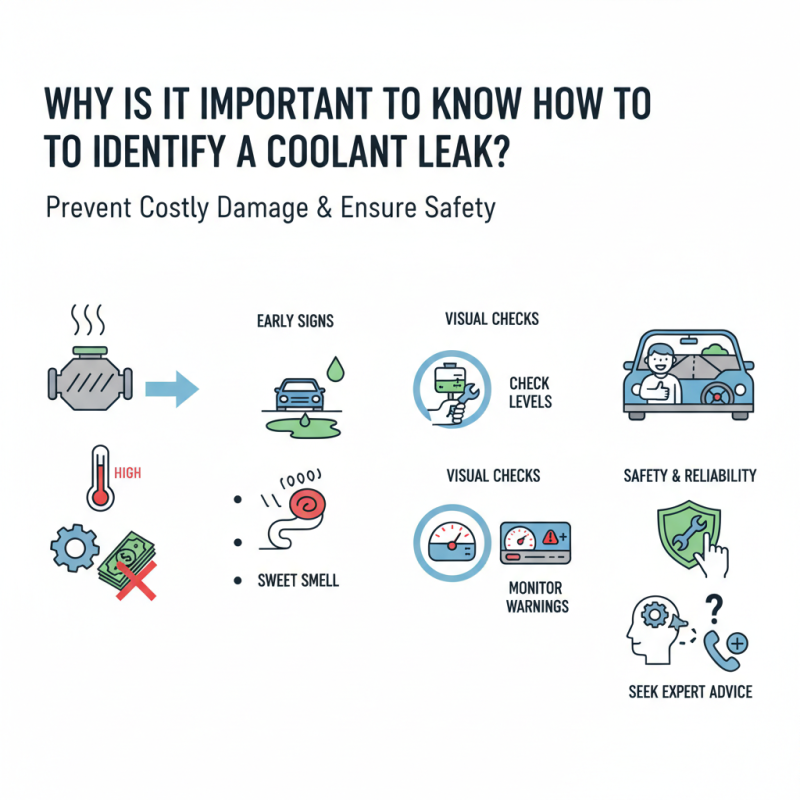
Understanding how to identify a coolant leak in your engine is crucial for vehicle maintenance. Coolant is vital for regulating engine temperature. If a leak occurs, your engine can overheat, leading to significant damage. This can result in costly repairs and extended downtime.
Detecting a coolant leak early can save time and money. Signs include puddles under your vehicle or a sweet smell inside your engine bay. Regularly check your coolant levels, and be attentive to changes. If your engine temperature fluctuates or warning lights appear, investigate promptly.
Knowledge in identifying coolant leaks demonstrates professionalism in car care. While you may not be a mechanic, basic awareness can help prevent larger issues. It’s not just about fixing a car; it’s about ensuring safety and reliability on the road. Always consider seeking expert advice if unsure about a situation.
The coolant system plays a critical role in engine functionality. It helps regulate the engine temperature, preventing overheating. When the engine runs, it generates heat. Without proper cooling, this heat can cause severe damage. Engine components can warp or even crack under extreme temperatures. A well-functioning coolant system maintains optimal operating conditions.
Identifying a coolant leak is crucial for preventive maintenance. A small leak can escalate quickly, leading to a complete system failure. Drivers should regularly check the coolant level. Look for signs of fluid under the vehicle or monitor for unusual temperature readings on the dashboard. These could indicate a leak.
Inadequate knowledge about coolant systems can lead to costly repairs. It’s not just about fixing the leak but understanding its implications. A malfunctioning coolant system can strain an engine under normal operating conditions. Regular checks and early leak identification can save time and money. Being vigilant can prevent major issues and enhance vehicle longevity.
Identifying a coolant leak in your vehicle is crucial. It can prevent severe engine damage. Several signs indicate a potential leak that every driver should watch for. These include unexplained drops in coolant levels and puddles forming under your vehicle. A sweet smell often accompanies these puddles, which is characteristic of coolant.
Another red flag is overheating. Your vehicle may struggle to maintain a normal temperature. This situation often leads to engine risks if not addressed promptly. Additionally, you might notice a heater that blows cold air, failing when you need it most. Changes in your radiator performance can also hint at underlying issues.
Ignoring these signs can lead to costly repairs. Regular checks and awareness are key to vehicle maintenance. It’s essential to stay informed and proactive. Leaks can start small and become bigger problems. Paying attention to your vehicle can save you time and money in the long run.
Identifying a coolant leak is crucial for vehicle maintenance. A small leak can lead to significant engine damage over time. There are several effective methods for spotting these leaks. One common technique involves checking the ground where the vehicle is parked. A puddle of green, orange, or pink fluid may indicate a leak.
Another method is inspecting the hoses and connections in the cooling system. Look for cracks or wet spots on hoses. This inspection can often reveal the source of the leak. Additionally, using a pressure tester can be beneficial. This tool helps to pressurize the system, making leaks more visible.
Sometimes, detecting a coolant leak can be challenging. You might miss a small leak hidden by engine components. In such cases, using UV dye can help. This dye, added to the coolant, fluoresces under UV light, making leaks easier to see. Be mindful, though. This method requires thorough checks to ensure all leaks are found. Engaging in regular maintenance checks can help prevent serious damage and improve vehicle longevity.
Coolant leaks can severely impact vehicle performance. If left unattended, these leaks can lead to engine overheating. An overheated engine can cause extensive damage, requiring costly repairs. Detecting leaks early can prevent these issues, saving both time and money.
The symptoms of a coolant leak often go unnoticed. Drivers may see steam rising from the engine or notice a sweet smell. These signs indicate a need for immediate action. Ignoring these symptoms may lead to engine failure or reduced fuel efficiency. It’s troubling how many drivers overlook such critical warning signs.
Regular inspections and maintenance are crucial. Understanding how to check coolant levels can help. Pulling out the dipstick or looking at the reservoir can reveal much. It may seem simple, but it’s often dismissed. A little diligence can prevent severe consequences down the road.
Coolant leaks can lead to severe engine damage. Preventive measures are crucial in avoiding such leaks in the future. Regular inspection of coolant levels can help identify issues early. Check hoses for wear and tear. Even small cracks can develop into bigger problems over time. A simple visual inspection may save you from costly repairs down the line.
Maintain proper coolant levels. Use the correct mixture of coolant and water to ensure optimal performance. Over time, coolant can break down and become less effective. When changing coolant, ensure the system is fully flushed. This decreases the chances of contamination and improves the lifecycle of your vehicle.
Consider investing in a coolant leak detection system. These systems can alert you to leaks before they escalate. Some methods may feel pricey, but prevention often outweighs the cost of repairs. Ignoring small drips can lead to serious complications later. Regular maintenance and vigilance can go a long way in ensuring your vehicle's health.
| Dimension | Details |
|---|---|
| Importance of Identifying Leaks | Prevent engine overheating and potential damage. |
| Common Symptoms | Low coolant levels, visible leaks, engine warning light. |
| Preventive Measures | Regularly check coolant levels, inspect hoses and connections. |
| Typical Causes of Coolant Leaks | Worn hoses, damaged radiator, faulty water pump. |
| Inspection Frequency | At least once every 3 months or before long trips. |
| Consequences of Ignoring Leaks | Severe engine damage, costly repairs, and safety risks. |
: The coolant system regulates engine temperature and prevents overheating. It protects against severe damage to engine components.
Look for drops in coolant levels, puddles under your vehicle, or unusual temperature readings on the dashboard.
Signs include unexplained coolant drops, puddles, a sweet smell, overheating, and a heater blowing cold air.
Ignoring leaks can lead to severe engine damage and costly repairs. Vigilance can save time and money.
Regularly inspect coolant levels and hoses. Look for cracks and maintain proper coolant mixtures for optimal performance.
Address overheating immediately. Check coolant levels and inspect for leaks to prevent further engine risks.
Regular checks are essential. Monitor coolant levels frequently and pay attention to any signs of leaks.
Yes, flushing the system when changing coolant helps prevent contamination and improves vehicle lifecycle.
Yes, such systems alert you to leaks early, preventing serious complications and costly repairs later.
Absolutely. Even small cracks can worsen over time, leading to significant problems if not addressed promptly.
Understanding how to identify a coolant leak in your engine is crucial for maintaining optimal vehicle performance and preventing costly damages. The coolant system plays a vital role in regulating engine temperature, and recognizing common symptoms of leaks, such as overheating or visible coolant puddles, can help drivers address the issue promptly.
Effective methods for identifying coolant leaks include visual inspections, checking for sweet-smelling odors, and monitoring coolant levels regularly. Ignoring coolant leaks can lead to severe consequences, such as engine damage or reduced efficiency, which can significantly impact a vehicle’s longevity. By implementing preventive measures, such as routine maintenance and thorough checks of the coolant system, drivers can safeguard against potential leaks and ensure their engine operates smoothly.
