 Marketo Auto
Marketo Auto
Marketo Auto
Using water instead of coolant in hoses can seem like a cost-effective choice. However, this practice carries significant risks that should not be overlooked. What are the risks of using water instead of coolant in hoses? This question is crucial for individuals who want to maintain their vehicles properly.
Water may seem adequate for cooling systems, but it lacks critical properties found in specialized coolants. For instance, water can lead to corrosion. Over time, rust can build up in hoses and radiators, causing blockages. Additionally, water has a higher freezing point. In cold conditions, water can freeze and damage engine components.
Another concern is boiling. Water boils at a lower temperature compared to coolant, which can result in overheating. This could cause serious damage to the engine, leading to costly repairs. Moreover, using water reduces the effectiveness of heat transfer, negatively impacting performance. Ultimately, while water may be cheaper upfront, the long-term consequences are worth considering.
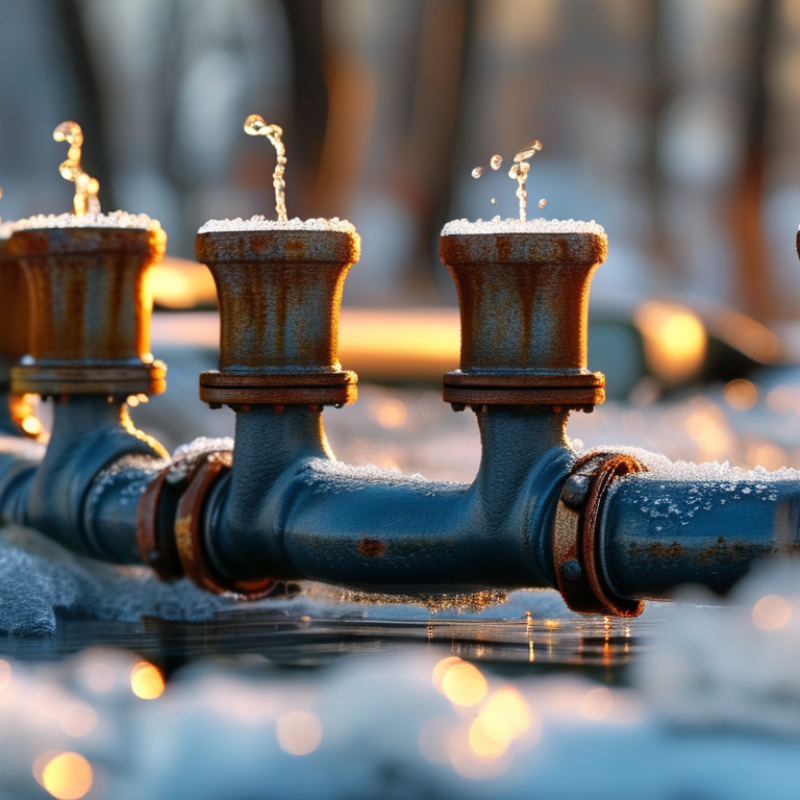
Coolant plays a vital role in the operation of automotive hoses. It helps regulate engine temperature, preventing overheating during operation. Water, while abundant, lacks the necessary properties required for effective heat transfer. Using water alone can lead to corrosion in metal components. This corrosion might compromise the integrity of hoses, resulting in leaks or ruptures.
Moreover, coolant contains additives that prevent freezing in cold temperatures. Water freezes at 32 degrees Fahrenheit, which can cause serious damage to the engine during winter months. The use of coolant ensures that the entire system remains functional in various climates. While some may consider using water as an easy alternative, the risks outweigh the benefits. Overheating and system failures can incur steep repair costs.
Many car owners underestimate the importance of coolant. A lack of understanding about its composition can lead to poor maintenance choices. Ignoring the need for proper coolant can result in serious vehicle issues. Regular checks and balances are essential. Education about these risks is critical for all vehicle owners. Making informed decisions can protect both the vehicle and its performance.
| Risk Factor | Description | Consequences |
|---|---|---|
| Corrosion | Water can promote rust and corrosion in metal components. | Damage to engine components, leading to costly repairs. |
| Freezing | Water can freeze in cold conditions, blocking coolant flow. | Engine overheating and potential failure due to improper temperature maintenance. |
| Boiling Point | Water has a lower boiling point compared to antifreeze solutions. | Increased chance of overheating, which can damage engine parts. |
| Impaired Lubrication | Coolants contain additives that reduce friction and wear. | Increased wear on water pump and other components, leading to potential failures. |
| Pressure Build-up | Inadequate coolant can lead to pressure issues in the system. | Risk of hose bursts or leaks, potentially causing breakdowns. |
: Water can cause rust and corrosion in the engine. This may harm vital components over time.
Water freezes at 0°C and boils at 100°C. This limited range can lead to overheating or freezing.
Water can cause parts to deteriorate faster. This unexpectedly increases maintenance costs due to more frequent repairs.
Yes, water can leave deposits that clog hoses. This reduces efficiency and increases the risk of engine failure.
Water may save initial costs, but proper coolant prevents corrosion and improves efficiency, saving money in the long run.
It prevents damage from freezing or overheating. Water's inconsistent regulation can lead to serious engine issues.
Regular checks are necessary. Look for wear, leaks, or sediment to avoid unexpected problems.
If you notice discoloration or sediment, maintenance is needed. Don’t ignore these early warning signs.
Frozen water in the engine can lead to repairs exceeding $2,000, making proper coolant essential.
Some believe water is sufficient. However, the long-term risks often outweigh short-term savings.
The article "Risks of Using Water Instead of Coolant in Hoses Explained" delves into the critical functions that coolant serves within automotive systems. It highlights how coolant is engineered specifically for temperature regulation and prevents corrosion, unlike plain water. The analysis emphasizes the chemical differences between water and coolant, illustrating how water can lead to poor engine performance and overheating due to its inability to maintain optimal temperatures.
Moreover, the article outlines the potential risks of using water as an alternative coolant, such as scale buildup, diminished lubrication, and increased wear on cooling system components over time. A cost-benefit analysis further reveals that while water may seem cheaper initially, the long-term effects can lead to more significant repair costs. Addressing the question, "What are the risks of using water instead of coolant in hoses?", the summary concludes that using water can jeopardize engine integrity, leading to costly consequences.
