How to Upgrade Your Braking System for Heavy Duty Towing?

Time:2026-11-25 Author:Sienna
0%

Heavy-duty towing changes how a vehicle behaves when you slow down. A loaded trailer can push against the tow vehicle, especially on steep roads or during repeated stops. Brake upgrades may help, but bigger parts alone do not guarantee safer braking. The right setup depends on your vehicle, trailer weight, brake condition, and the manufacturer’s towing limits.

This guide explains How to upgrade your braking system for heavy-duty towing, from checking existing components to choosing compatible upgrades. You will learn why rotor size, pad material, brake-fluid condition, and trailer brakes all matter. Small details count. A spongy pedal, uneven pad wear, or a trailer that sways under braking can point to problems that deserve attention before a long trip. Have a qualified technician inspect the system when wear or performance concerns appear.

Start with measurements and specifications, not assumptions. Confirm the loaded trailer weight and verify that every component suits the vehicle and intended use. A larger rotor may sound like an easy fix, yet fitment and heat management matter too. Not always obvious. Even a careful checklist can miss a worn hose or poorly adjusted trailer brakes, so recheck the setup after installation. This overview offers practical guidance, but it cannot replace the vehicle manual or an inspection by a trained professional. Proper upgrades work as a system—and sometimes the best improvement is correcting maintenance that was overlooked.
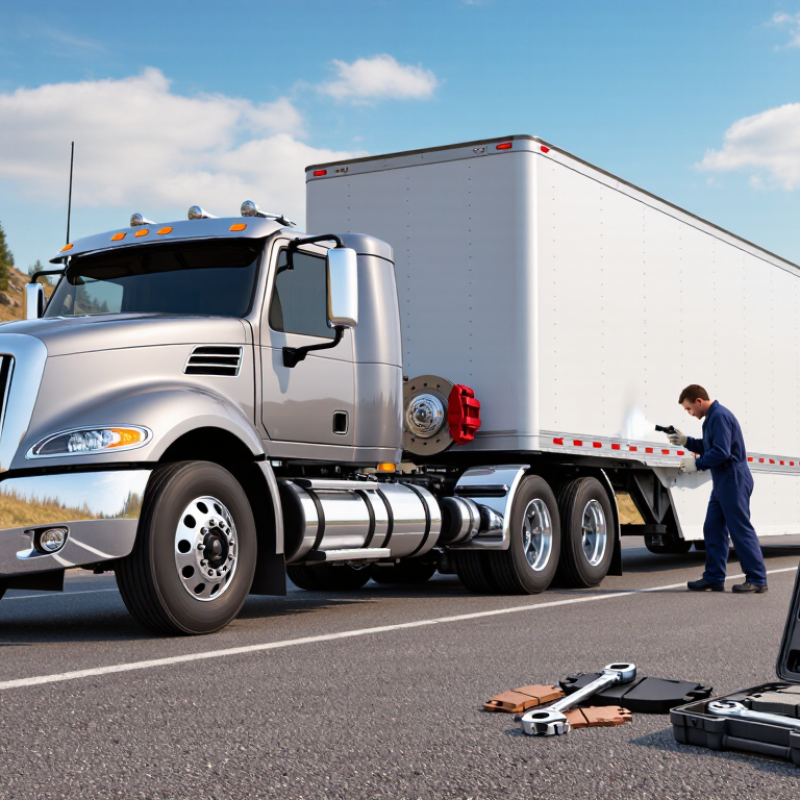
How to Upgrade Your Braking System for Heavy Duty Towing?

Assess Towing Loads and Brake System Requirements

Before upgrading brakes for heavy-duty towing, measure the load you actually carry. A trailer’s empty weight tells only part of the story. Include cargo, water, tools, and any equipment added after purchase. Weigh the tow vehicle and trailer when fully loaded, then compare those figures with the vehicle’s rated limits. Check tongue weight, too; too little or too much can affect stability. That changes everything.

Next, consider where and how you tow. Long descents, stop-and-go traffic, and repeated braking can build heat quickly. Inspect pad or shoe thickness, rotor or drum condition, fluid, hoses, and trailer brake wiring. A larger load may call for greater brake capacity, but bigger parts alone do not guarantee safer stopping. The tow vehicle, trailer brakes, tires, and controller need to work together. Small details matter.

I would not choose components from trailer weight alone. Axle ratings, wheel clearance, brake type, and controller compatibility can narrow the options. A careful inspection by a qualified technician can reveal worn parts or mismatched components that are easy to miss at home. It is tempting to assume the system is adequate because it stopped well last season. That assumption deserves a second look, especially after adding cargo or changing routes.

Inspect the Existing Brakes and Identify Upgrade Needs

Before choosing larger rotors or heavier components, document how the current brakes behave under load. Inspect the tow vehicle and trailer separately: pad thickness, rotor scoring or blue heat spots, caliper movement, hoses, fluid condition, and trailer-brake adjustment. Look for uneven wear, a soft pedal, pulling, or a burning odor after a controlled test. Small clues count. The Commercial Vehicle Safety Alliance’s 2023 International Roadcheck report found brake-system defects accounted for 25.8% of vehicle out-of-service violations. Those were commercial-vehicle inspections, not a failure rate for private tow rigs, but the finding supports careful checks.

Compare the loaded trailer weight with the ratings of the tow vehicle, hitch, and braking components. Confirm the trailer brakes engage smoothly and the controller responds consistently. A common blind spot is checking an empty trailer only; added cargo can change braking behavior. A clean visual check can still miss internal wear, so measurements matter. Follow component service limits, and ask a qualified technician to assess uncertain or uneven braking.

Tips: Photograph each wheel assembly and record pad and rotor measurements. Note braking behavior in a safe, controlled area. Change one variable at a time; upgraded brakes cannot correct mismatched trailer brakes or worn tires.

How to Upgrade Your Braking System for Heavy Duty Towing? — Inspect the Existing Brakes and Identify Upgrade Needs
Inspection Area What to Check Example Finding That Needs Attention Why It Matters for Towing Next Step
Brake pads or shoes Check friction-material thickness, uneven wear, contamination, cracking, and glazing. Material is near the vehicle maker’s service limit, or one side is wearing noticeably faster. A heavily loaded vehicle needs dependable friction and balanced braking. Worn or contaminated material can reduce braking performance. Repair the cause of uneven wear and replace worn components according to the vehicle service specifications before towing.
Rotors or drums Measure thickness or inside diameter with suitable tools; inspect for scoring, cracks, heat spots, and excessive runout. A rotor is at or below its stamped minimum thickness, or a drum is at or beyond its maximum diameter. Components outside their service limits may not dissipate heat or provide consistent braking as designed. Replace or machine only when permitted by the manufacturer, and confirm the finished measurement remains within specification.
Calipers, wheel cylinders, and hardware Look for fluid leaks, seized slides or pistons, damaged boots, and weak or corroded return hardware. A caliper does not release freely, or fluid is visible around a hydraulic component. Dragging or uneven brakes can cause overheating, premature wear, and vehicle pull under braking. Repair or replace the faulty component, then inspect the affected friction parts for heat damage and bleed the system if opened.
Brake fluid and hydraulic lines Check fluid condition and service history; inspect hoses, steel lines, fittings, and the master cylinder for leaks or damage. Fluid is overdue under the vehicle maker’s maintenance schedule, or a hose is cracked, swollen, or leaking. Old or contaminated fluid and damaged lines can compromise hydraulic braking, especially when brakes are hot. Use the specified fluid and service procedure; replace damaged lines or hoses and bleed the system correctly.
Brake temperature and balance After a controlled road test, check for pulling, vibration, unusual odor, or one wheel becoming much hotter than others. Persistent pull, vibration, or a wheel with markedly higher temperature than the others. Uneven braking or excessive heat can indicate a fault that may worsen during repeated stops with a trailer. Diagnose the cause before towing. Do not touch hot brake parts; use an appropriate non-contact thermometer if checking temperatures.
Trailer brakes and controller Confirm the trailer has the required braking equipment, inspect its wiring and connectors, and test controller operation and adjustment. Trailer brakes do not engage consistently, wiring is damaged, or the controller is not compatible with the trailer brake type. For trailers equipped with brakes, proper operation and adjustment help the trailer contribute to stopping rather than pushing the tow vehicle. Repair wiring or brake faults, set the controller according to its instructions, and verify operation at low speed in a safe area.
Vehicle and trailer weight limits Compare actual loaded weights with the vehicle’s towing, gross vehicle weight, axle, and hitch ratings, plus the trailer’s ratings. Any measured weight exceeds a published rating, or the braking system is being asked to manage a load outside its approved use. Brake upgrades do not increase the vehicle’s certified weight ratings or make an overloaded combination safe. Reduce or redistribute the load as needed. Follow the vehicle and trailer manuals before selecting any brake upgrade.
Note: Findings are inspection examples, not universal replacement limits. Use the specifications and service procedures for the exact vehicle and trailer; have brake repairs and upgrade compatibility assessed by a qualified technician.

Choose Compatible Heavy-Duty Brake Components

How to Upgrade Your Braking System for Heavy Duty Towing?
Choose Compatible Heavy-Duty Brake Components

Heavy-duty towing adds heat and stopping demand, but simply fitting larger brakes is not always the right upgrade. Components must match your vehicle’s axle, wheel clearance, brake configuration, and towing requirements. Check the vehicle and trailer documentation before buying. Fit matters.

Choose pads and rotors designed to work together under sustained load. A rotor may look substantial, yet still be unsuitable for the caliper or wheel. Confirm dimensions, mounting points, and heat ratings against reliable fitment information. For electric trailer brakes, check that the controller and trailer brake assemblies are compatible; they are separate from the tow vehicle’s brakes. Not just bigger.

Compatibility charts can leave questions, especially after suspension or wheel changes. That is worth pausing over. Ask a qualified technician to verify the setup rather than guessing from appearance. After installation, inspect hoses, lines, hardware, and fluid condition, then follow the component maker’s bedding procedure. A short, careful test in a safe area can reveal pulling, noise, or a soft pedal before a heavy load is added. Recheck fasteners and brake operation after the first loaded trip.

How to Upgrade Your Braking System for Heavy Duty Towing? Choose Compatible Heavy-Duty Brake Components

The Effect of Speed on Towing Braking Energy

For a constant 10,000 lb (4,536 kg) moving mass, kinetic energy rises with the square of speed: doubling speed from 30 to 60 mph means four times the energy. These values are theoretical, calculated using E = ½mv²; actual stopping performance also depends on the tow vehicle, trailer brakes, road conditions, tires, and grade. When upgrading, verify that the brake controller, trailer brakes, axles, and hubs are mutually compatible and within their rated capacities.

Install and Configure the Upgraded Braking System

Before installation, verify that the new components match the trailer’s loaded weight, axle capacity, and existing brake type. Electric and hydraulic systems need different controls, so confirm compatibility before disconnecting anything. Inspect wiring, brake lines, hubs, and mounting surfaces for corrosion or wear. Replace damaged parts rather than hiding them under new hardware. A clean connection matters.

Mount each component securely and tighten fasteners to the specified torque. Route cables and hoses away from tires, sharp edges, and hot surfaces; leave enough slack for suspension movement. If the system uses electric brakes, configure the controller according to its instructions. For hydraulic systems, bleed the lines until the fluid runs clear and no air bubbles appear. Small bubbles can make braking feel inconsistent.

Test the setup in a level, low-traffic area before towing a full load. Start at walking speed, apply the brakes gently, and check for pulling, unusual noise, leaks, or hot hubs. Then increase speed and load gradually. The first adjustment is rarely the final one. If braking feels uneven, stop and inspect the system instead of compensating with a stronger controller setting. Record adjustments and have a qualified technician check any problem you cannot identify.

Test Brake Performance and Set a Maintenance Schedule

After upgrading brakes for heavy-duty towing, test them with the actual trailer and a representative load. Use a level, quiet test area and begin at low speed. Check for a firm pedal, straight stops, and smooth trailer-brake engagement. Then repeat at gradually higher speeds, leaving ample room to stop. Record stopping distance and conditions, including load, road surface, and weather. One test is not enough.

Watch for pulling, vibration, fading, or a burning smell. After stopping safely, compare wheel temperatures with an infrared thermometer; a large difference may signal dragging or uneven braking. Never touch hot brake parts.

In its 2024 Brake Safety Week report, the Commercial Vehicle Safety Alliance said 16.5% of 16,725 inspected commercial vehicles had brake-related out-of-service violations. That finding is a useful reminder: visual checks alone can miss problems.

Set a written maintenance schedule tied to mileage, towing frequency, and load severity. Inspect pads or shoes, rotors or drums, hoses, wiring, fluid, and trailer connections before each long trip. Recheck after demanding descents or repeated heavy stops. Follow the vehicle and trailer makers’ service intervals, and log measurements rather than relying on memory. Small details matter. I’d still question any schedule that ignores how often the rig climbs steep grades; real use can wear parts faster than the calendar suggests.

FAQS

What should I inspect before upgrading trailer brakes?

Check pad thickness, rotor scoring, heat marks, caliper movement, hoses, fluid, and trailer-brake adjustment. Small clues matter.

How can I tell whether my current brakes need attention?

Watch for uneven wear, a soft pedal, pulling, vibration, or a burning smell. A visual check can miss internal wear.

What should I confirm before choosing new brake components?

Compare loaded trailer weight with the ratings of the tow vehicle, hitch, axle, and brakes. Empty-trailer tests can be misleading.

How do I check whether an upgraded system fits?

Confirm compatibility with the trailer’s loaded weight, axle capacity, and brake type. Electric and hydraulic systems need different controls.

What installation details deserve extra care?

Tighten fasteners to specified torque. Keep hoses and cables clear of tires, sharp edges, and hot surfaces, with room for suspension movement.

How should I test upgraded brakes?

Use a level, quiet area and a representative load. Start slowly, then increase speed and load gradually. Leave ample stopping room.

What warning signs mean I should stop testing?

Stop for pulling, unusual noise, leaks, uneven braking, or hot hubs. Don’t correct uneven braking by simply increasing controller output.

How can I check for uneven brake temperatures?

After stopping safely, compare wheel temperatures with an infrared thermometer. Never touch hot brake parts. A large difference deserves inspection.

How often should I maintain towing brakes?

Inspect key parts before long trips, and follow service intervals. Recheck after steep descents or repeated heavy stops; mileage alone may miss hard use.

What should I record during testing and maintenance?

Log measurements, stopping distance, load, road surface, weather, and adjustments. Memory fades. A written schedule can still overlook frequent climbs.

Conclusion

How to upgrade your braking system for heavy-duty towing begins with understanding the trailer’s loaded weight, towing conditions, and the demands placed on the vehicle’s brakes. Inspect the existing system for wear, damage, and performance limitations, including the pads or shoes, rotors or drums, brake lines, and fluid. This assessment helps identify which components need attention and ensures that any upgrades are compatible with the vehicle and trailer.

Choose heavy-duty components suited to the expected load, then have them installed and configured according to the manufacturer’s specifications. After installation, test braking performance gradually in a safe, controlled area, checking for smooth, balanced stopping and any unusual noise or vibration. Finish by setting a regular maintenance schedule that includes inspections, adjustments, and timely replacement of worn parts. Careful planning, proper installation, and consistent checks can help support dependable braking when towing heavy loads.

Sienna

Sienna

Sienna is a skilled marketing professional with a deep expertise in our company’s core products and services. With a passion for innovation and detail, she plays a pivotal role in crafting insightful blog posts that not only highlight the unique features of our offerings but also provide valuable......