Marketo Auto
What happens if a vacuum hose is disconnected in your vehicle? This question holds significant importance for car owners and mechanics alike. According to automotive expert Dr. Sarah Thompson, "A disconnected vacuum hose can lead to a range of performance issues." When this crucial component is detached, your vehicle might experience a drop in engine performance, erratic idling, or even stalling.
The complexity of a vehicle's vacuum system often goes unnoticed until problems arise. Each hose plays a vital role in maintaining engine efficiency. For example, a disconnected hose may allow excess air into the system, disrupting the air-fuel mixture. This imbalance can result in poor fuel economy and increased emissions.
Monitoring these hoses can prevent costly repairs and ensure your vehicle runs smoothly. However, many drivers overlook this aspect of vehicle maintenance. A simple inspection can make a significant difference. As Thompson noted, "Regular checks can save drivers from unexpected breakdowns." Understanding what happens if a vacuum hose is disconnected can empower drivers to take better care of their vehicles.
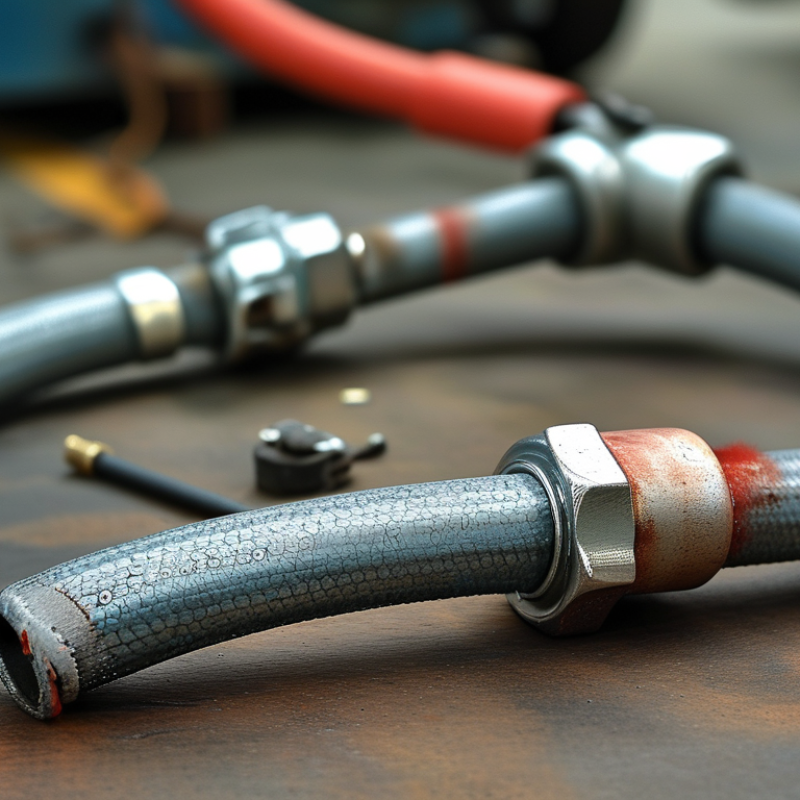
A disconnected vacuum hose can significantly impact your vehicle's performance. This small yet crucial component maintains vacuum pressure for systems like the brakes and engine control. When it’s disconnected, the engine may struggle, leading to a rough idle or stalling. You might notice increased fuel consumption, too. This occurs because the air-fuel mixture becomes unbalanced.
Moreover, malfunctioning brakes can arise from this issue. The brake booster relies on vacuum to function effectively. If the vacuum is lost, braking effort increases, making stopping the vehicle more difficult. Drivers might experience a hard brake pedal. This is not just inconvenient; it can also create safety hazards on the road.
Diagnosing vacuum hose problems isn’t always straightforward. Visual inspection might not reveal hidden cracks or disconnections. Sometimes, a mechanic is needed to perform tests and ensure everything is intact. Staying aware of these signs helps maintain your vehicle's reliability. Ignoring a vacuum issue can lead to more extensive repairs later on.
A vacuum hose disconnection can lead to noticeable issues in your vehicle. One common symptom is an irregular idle. You may notice that your engine runs roughly or can even stall unexpectedly. This happens due to inconsistent airflow in the engine. The vehicle's performance may also suffer, leading to reduced acceleration and power.
Another symptom is an increase in fuel consumption. A disconnected vacuum hose can cause your engine to draw in excess air, affecting the air-fuel mixture. You might find yourself stopping for gas more often. Check engine lights may also flash on your dashboard, alerting you to underlying problems.
Tips: Regularly inspect your vehicle's vacuum hoses for cracks and leaks. Small visual checks can prevent larger problems later. If you notice abnormal sounds from your engine, it’s worth investigating. Ignoring minor issues can lead to major repairs down the road.
Vacuum systems in vehicles play a crucial role in various functions. They are responsible for powering components like the brake booster and some emission systems. A vacuum is created by the engine. When the engine runs, it generates low pressure that pulls air. This low-pressure air aids in controlling different vehicle functions seamlessly.
When a vacuum hose disconnects, the effects can be immediate and noticeable. Your brake pedal may feel hard or less responsive. This means less efficient braking. Additionally, there might be an increase in engine noise due to unregulated air entering the system. It can lead to a rough idle or stalling. In some cases, check engine lights may illuminate, signaling issues in the vacuum system.
Addressing the disconnection immediately is essential. Leaving it unresolved can result in more significant problems. Repairs can become costly if neglect continues. Not every vehicle owner may recognize the symptoms right away. This can lead to misdiagnosis. Regular maintenance checks can help ensure that hoses remain connected and functioning correctly.
A vacuum hose is crucial for maintaining your vehicle’s performance. If
disconnected, your engine may face various issues. Common symptoms include
rough idling, increased fuel consumption, or even
stalling. These problems arise because the engine relies on a
balanced air-fuel mixture. According to industry reports, nearly
30% of engine performance issues are related to vacuum leaks.
When troubleshooting vacuum hose problems, look for visible damage.
Tears or cracks can significantly impair functionality. A vacuum leak can lead
to a drop in engine efficiency, as much as 10-20%.
Utilize a smoke test to detect leaks effectively. This method involves introducing
smoke into the system, making leaks easy to spot.
Tips: Regularly inspect vacuum hoses when servicing your vehicle.
Early detection can prevent costly repairs. Also, keep in mind that not all hoses are created equal.
Some materials degrade faster than others, so identify the right type for your vehicle.
If you face persistent issues, consider consulting a professional. Skilled mechanics can analyze your vehicle's
vacuum system with precision. They can ensure every component functions correctly, which enhances overall performance.
Remember, attention to detail is vital.
Small issues can lead to bigger problems later.
Vacuum hoses play a vital role in your vehicle’s performance. They help manage various systems, including the braking and emissions systems. A disconnection can lead to serious issues, such as a drop in engine efficiency and even hazardous emissions. According to automotive experts, nearly 20% of performance issues stem from vacuum hose failures.
To prevent disconnections, regular inspections are crucial. Check for cracks, wear, and proper fittings. Many mechanics recommend inspecting hoses every 30,000 miles. Look for signs of deterioration, as these can lead to unexpected problems.
Tip: Consider using silicone hoses. These are more resilient than rubber alternatives. They can withstand higher temperatures and resist various chemicals.
Another proactive approach includes maintaining clean connections. Use protective sprays or lubricants to ensure fittings remain intact. A little maintenance can prevent costly repairs down the road. Look for visual inspections during oil changes, as this can help identify potential failures. Maintenance records suggest that simple checks can extend hose life significantly.
: Vacuum systems help power essential components like brake boosters and some emission systems.
The engine creates low pressure while running, pulling air to aid various functions.
A disconnected hose may cause a hard brake pedal, increased engine noise, and rough idling.
Delaying repairs can lead to significant problems and higher repair costs later.
Look for hard brakes, engine noise, or illuminated check engine lights. They indicate problems.
Regular inspections every 30,000 miles can help catch issues early.
Check for cracks, wear, and ensure proper fittings to avoid unexpected issues.
Silicone hoses are more resilient and can withstand higher temperatures compared to rubber ones.
Use protective sprays or lubricants to keep connections clean and intact.
Simple checks during oil changes can greatly extend the life of hoses and prevent failures.
A vacuum hose is a crucial component in a vehicle's engine system, and understanding what happens if a vacuum hose is disconnected is essential for maintaining vehicle performance. When a vacuum hose is disconnected, it can lead to a range of issues such as reduced engine efficiency, rough idling, and increased fuel consumption. Common symptoms include a check engine light, hissing sounds from the engine bay, and erratic engine behavior.
To troubleshoot vacuum hose issues, it's important to inspect the hoses for any visible damage or disconnections and to test the vacuum pressure with appropriate tools. Preventative measures, such as regular vehicle maintenance and inspections, can help avoid these disconnections, ensuring the optimal functioning of the vehicle's vacuum systems. By staying vigilant, drivers can mitigate the impacts of vacuum hose problems and enhance overall vehicle reliability.
