Marketo Auto
A low power-steering reservoir can be confusing when the driveway stays clean. You may notice a groan while turning, heavier steering at parking-lot speeds, or fluid below the marked level. Why does my car lose steering fluid but show no spots? Because fluid can escape somewhere hidden, collect inside a component, or reach a hot surface and burn away before it drips.
Richard Reina, CARiD’s product training director, offers this paraphrased diagnostic reminder: “A dry driveway does not prove the steering system is sealed.” The wording here is a paraphrase, not a verified verbatim quotation. On hydraulic systems, a technician may inspect hose crimps, the pump shaft, and the steering rack. Rack seals can leak fluid into the rubber bellows, leaving no obvious puddle beneath the car. A small seep may also coat a warm engine part and leave a faint oily smell. Look for dampness, not just drops. Don’t mistake transmission fluid or engine oil for steering fluid.
The symptoms matter. A whining pump, foamy reservoir fluid, or suddenly stiff steering deserves prompt attention. Some newer cars use electric power steering and have no fluid reservoir, so confirm your vehicle’s system before investigating. A flashlight can help, but don’t reach near belts or moving parts with the engine running. Frankly, visual checks can miss internal leaks; that’s worth remembering. If the level keeps falling, have a qualified technician pressure-check the system and inspect the rack boots. Avoid repeated top-ups as a fix. Low fluid can damage the pump, and steering that changes suddenly can make the car difficult to control.
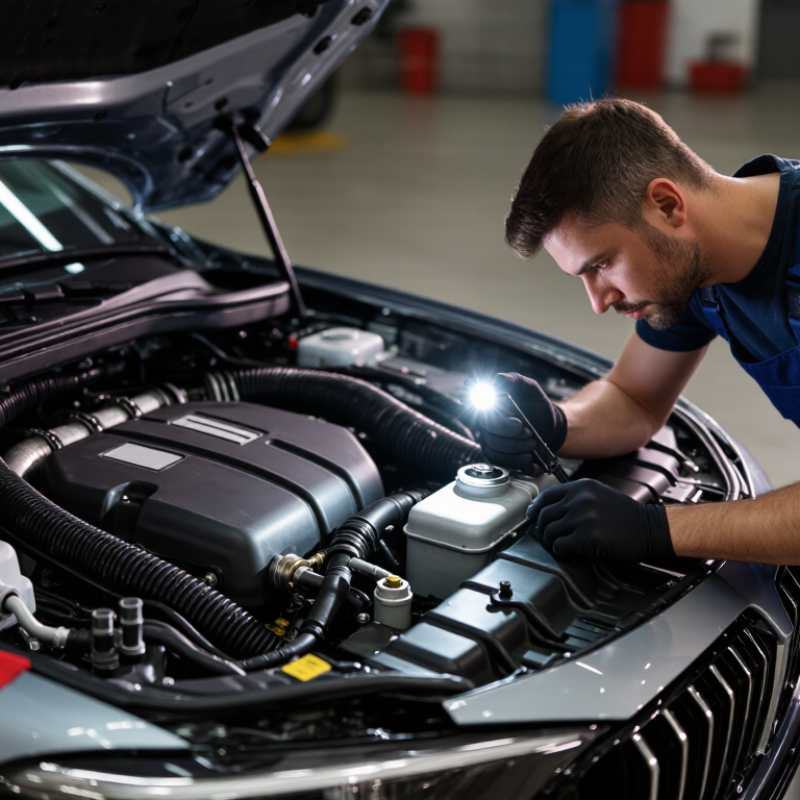
Why Is My Car Losing Power Steering Fluid With No Leak?
Power steering fluid is not normally consumed, so a falling reservoir level deserves attention—even when the driveway looks dry. The leak may be hidden by an undertray, caught in a rack boot, or spread across the engine bay while the car is moving. S&P Global Mobility reported that the average age of U.S. light vehicles reached 12.6 years in 2024. Older seals and hoses can become brittle, though age alone does not prove the cause.
Check the fluid when the engine is cool, and look for dampness around the pump, hose connections, and steering rack. A swollen or wet rack boot can hold fluid from a failed internal rack seal. That leak may leave no puddle. A pump-shaft seal can also fling fluid onto nearby parts, where heat and airflow make the trace harder to spot. Sometimes the evidence is only a faint oily film. Easy to miss.
A mechanic can clean the area and inspect it again, or use a pressure test to reveal leaks that appear only while the system is operating. Do not keep topping up without finding the cause; low fluid can make steering noisy and damage the pump. Check the owner’s manual before adding fluid, since the wrong type may harm seals. A damp spot is a clue, not a diagnosis.
Possible concealed loss paths to check
These bars mark possible routes, not how often they occur. Fluid may seep into a steering-rack boot, collect on an undertray, or reach a hot surface and burn off. Check the reservoir level as directed in your owner’s manual, inspect hoses and the pump, and have the system checked if the level keeps dropping. Power steering fluid does not normally disappear without a leak.
When power-steering fluid keeps dropping, a clean driveway can be misleading. Small leaks may collect on the engine’s underside or stay trapped behind an undertray. Check the ground after parking, but inspect higher points too. Look for fresh, oily dampness rather than relying on dried stains alone.
Trace the hoses from the reservoir toward the steering rack. Pay close attention to hose crimps, fittings, and bends; a split may leak only when the system is pressurized. Check around the pump shaft and pulley, where a failing seal can leave a fine spray. At the rack, inspect the rubber boots. Fluid inside a boot can signal a leaking internal seal, even when the outside looks nearly dry. The cooler lines, if fitted, can also seep near their connections.
Use a flashlight and clean cardboard beneath the front of the car overnight. A small spot helps, but it may not show where the fluid started. Honestly, this check is imperfect; airflow can carry fluid away from its source. Keep clear of moving parts, and never crawl under a car supported only by a jack. If the reservoir keeps falling or steering becomes unusually heavy, stop driving and arrange a proper inspection.
| Inspection Area | How Fluid Can Stay Hidden | Clues to Look For | Safe Inspection Approach |
|---|---|---|---|
| Power steering pump and reservoir | Fluid may seep from the pump shaft seal, reservoir seam, or hose connection and collect on nearby parts instead of dripping onto the ground. | Wetness around the pump pulley or reservoir; damp, dusty residue; a falling fluid level. | With the engine off and cool, inspect the pump and reservoir with a light. Keep hands and clothing away from belts and pulleys. |
| High-pressure hose and fittings | A small seep may appear only when the system is pressurized, or fluid may spray onto underbody panels and nearby components. | Fresh oily wetness at crimped hose ends or fittings; residue on nearby surfaces; steering noise that changes as fluid runs low. | Look for damp areas with the engine off. Do not use your hand to search for a pressurized leak; escaping fluid can penetrate skin. |
| Return hose and low-pressure connections | Loose clamps, aged rubber, or a cracked hose can seep slowly and leave fluid trapped on a frame rail or splash shield. | Soft, cracked, or oily hose surfaces; wetness near clamps; residue along the hose route. | Inspect the full visible hose length and connections when the engine is cool. Have damaged or loose parts repaired promptly. |
| Steering rack or steering gear seals | Fluid can escape from an internal rack seal into a rubber bellows boot, so the leak may not reach the pavement. | A swollen or unusually wet rack boot; fluid near the ends of the steering rack; recurring fluid loss without a clear drip. | Check the outside of the boots for wetness. A technician can confirm whether fluid is accumulating inside and inspect the rack safely. |
| Underbody panels and splash shields | Panels can catch fluid and hold it until the vehicle moves, making the leak difficult to spot while parked. | Oily residue, damp insulation, or fluid at the edge of a shield; a brief drip after driving. | Inspect visible panel edges from outside the vehicle. Do not crawl under a car supported only by a jack. |
| Fluid level and fluid condition | A gradual level drop can reveal a leak before a puddle forms. Fluid may also be difficult to identify if it mixes with road grime. | Level below the specified mark; foamy fluid; unusual steering effort or whining from the pump. | Check the reservoir according to the vehicle manual, on level ground and under the stated temperature conditions. Use only the specified fluid type. |
| Leak that appears only during operation | Heat, vibration, and steering pressure can make a small leak intermittent; it may stop when the vehicle is parked. | Fresh wetness after driving or turning; symptoms that return after cleaning the area. | A repair shop can clean the suspected area and perform a controlled inspection. Avoid prolonged driving if steering becomes difficult or the pump makes a loud noise. |
Safety note: Never place hands near moving belts or search for a high-pressure leak by touch. If fluid loss is rapid, steering effort increases, or the pump makes a persistent whining noise, stop driving when safe and arrange an inspection.
A dry driveway does not rule out a power steering leak. In a rack-and-pinion system, worn internal seals can let fluid seep into the rubber bellows boots at each end of the steering rack. The boots may hold the fluid, so nothing reaches the ground. Look for swollen or unusually heavy boots, damp seams, or fluid that appears when a technician carefully opens one. Don’t puncture them yourself.
Some faults cause loss of steering assist without losing fluid. A worn pump or steering valve may let fluid bypass internally, reducing pressure while the reservoir level stays nearly steady. That distinction matters. If the level keeps dropping, hidden leakage is more likely than simple bypass. Fluid can also collect behind a pump pulley or inside a steering gear before becoming visible. A faint whining sound, heavier steering at parking speeds, or repeated top-ups are useful clues, but none proves the cause alone.
Check the reservoir level on level ground, following the vehicle’s service instructions, and note how quickly it changes. Avoid running the system low; air can make the pump noisy and worsen damage. A shop can inspect the rack boots and pump, then use a pressure test to separate seal failure from internal bypass. I’ve seen a clean-looking engine bay mislead owners. It’s an easy detail to miss.
A falling power steering fluid level means fluid is escaping somewhere, even when the driveway looks dry. Some leaks hide inside a rack boot or leave a thin film on a warm engine part. Not always obvious. If your car has electric power steering, it may not use hydraulic fluid at all, so check the owner’s manual before investigating.
Park on level ground and let the engine cool. Check the reservoir against its markings, then note the level and date; recheck under similar conditions. Use only the fluid type specified for your vehicle. A mismatched fluid can cause damage. With a flashlight, inspect the reservoir seams, hose connections, pump, and steering rack. Look for dampness, dust stuck to oily residue, or swollen rack boots. A clean piece of cardboard under the front end overnight can help reveal drips, but no spot does not prove there is no leak.
Do not put your hands near moving belts or reach under a car supported only by a jack. If the fluid is foamy, the pump whines, or steering suddenly feels heavy, stop driving and arrange a professional inspection. A technician can pressure-test the system and check concealed seals. I would not keep topping it up and hope the problem settles; that only makes the pattern harder to track.
A falling power steering level deserves attention, even when the driveway stays dry. Fluid may seep inside a steering rack’s rubber boots, collect beneath a pump, or escape only while the system is pressurized. A hot engine can also hide small traces before they reach the ground. Check the reservoir level on level ground, using the procedure in your owner’s manual. Note any whining during turns, stiff steering, or a burnt-fluid smell.
Arrange a professional inspection soon if the level drops again after topping up with the specified fluid. A technician can pressure-test the system and inspect hoses, clamps, the pump, and rack boots. This matters because replacing a pump before finding a leaking hose can waste money. I might be wrong about the source from symptoms alone; several faults feel similar.
Stop driving and seek urgent help if steering suddenly becomes very heavy, fluid pours out, or the belt is slipping or smoking. Pull over safely. Do not keep running the pump with a low reservoir; it can overheat and suffer further damage. If steering remains controllable and the loss is slight, drive only as needed to reach a repair shop, and ask a professional before continuing if you are unsure.
Fluid can collect under an undertray, behind a pump pulley, or inside steering-rack boots. A dry driveway proves little.
Check hose crimps, fittings, bends, cooler-line connections, the pump area, and rack boots. Use a flashlight to spot fresh, oily dampness.
Yes. Worn internal seals may let fluid enter the rubber boots, which can hold it. Swollen or unusually heavy boots are clues.
Park on level ground and place clean cardboard beneath the car overnight. A small spot helps, but airflow may carry fluid away.
Listen for whining during turns and notice stiff steering, especially at parking speeds. Repeated top-ups matter too. None confirms the cause alone.
Yes. A worn pump or steering valve may reduce pressure through internal bypass. The reservoir can stay nearly steady.
Arrange one if the level drops again after topping up with the specified fluid. A technician can inspect hoses, the pump, and rack boots.
Stop if steering suddenly becomes very heavy, fluid pours out, or the belt slips or smokes. Pull over safely. Don’t run the pump low.
Power steering fluid can drop without leaving a puddle because a leak may be small, hidden behind a cover, or caught inside a steering rack boot. Fluid can also spread over hot components and go unnoticed. If you are wondering, “Why does my car lose steering fluid but show no spots,” check the reservoir, hoses, pump, steering gear, and the ground beneath the vehicle. Look for damp areas, residue, swollen hoses, or fluid inside rubber boots, and note whether the level continues to fall.
Fluid loss may also point to a failing internal seal that lets fluid collect inside a component rather than drip onto the ground. Record the fluid level when the system is cool, inspect safely with the engine off, and avoid opening hot or pressurized parts. If steering becomes noisy, stiff, or inconsistent, or the reservoir keeps emptying, arrange a professional inspection promptly. Driving with low fluid can worsen damage and make steering difficult.