Marketo Auto
1. Global Bypass Hose Market: Industrial & Automotive Landscape
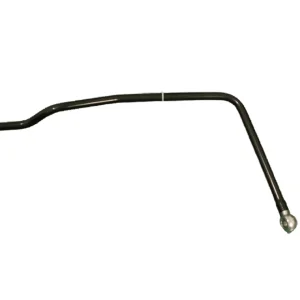
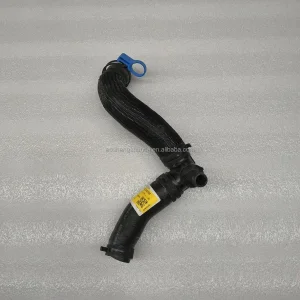
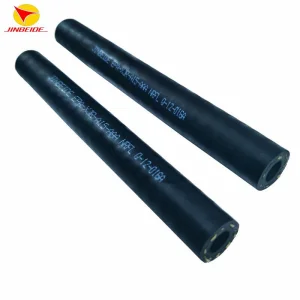
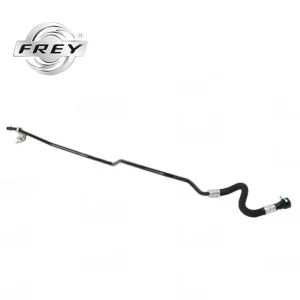
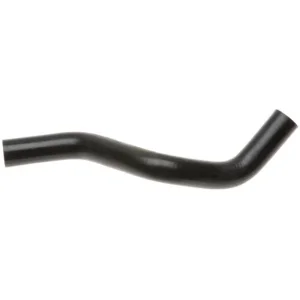
Automotive cooling and fluid bypass networks represent the vascular system of the modern internal combustion engine (ICE) and hybrid electric drivetrains. As engines shrink in size while outputting higher power densities via turbocharging, thermal management has shifted from a auxiliary engineering task to a core design vector. The bypass hose directs hot coolant back to the thermostat housing or radiator during warm-up phases, preventing hot-spots and safeguarding aluminum heads from cracking.
On a global scale, the industrial and commercial application of bypass hoses spans agricultural machinery, stationary generators, heavy-duty logistics fleets, and electric vehicle battery cooling loops. In high-stakes industrial applications, bypass systems act as critical fail-safes. The demand for reliable hoses that resist high pressures, chemical exposure, and rapid temperature fluctuations continues to grow globally.
Hybrid Thermal Cycling
Modern hybrid drivetrains require specialized low-temperature cooling loops, forcing coolant bypass systems to handle rapid thermal cycles between electric and combustion power modes.
NVH Dampening
Advanced elastomeric profiles in contemporary hoses act as structural dampers, absorbing engine vibrations to prevent micro-fissures in radiator and block fittings.
Ozone & Heat Degradation
With engine compartment temperatures regularly exceeding 150°C, material evolution is moving quickly from standard EPDM toward peroxide-cured EPDM and high-temp silicones.
2. Global Enterprise Procurement Trends & Requirements
Procurement managers at tier-1 automotive suppliers and OEM production hubs are prioritizing supply chain risk reduction and material traceability. Global trade disruptions have exposed the weaknesses of just-in-time sourcing without strategic safety margins. As a result, commercial buyers are transitioning from transaction-based purchases to deeper, long-term technical partnerships.
Key corporate purchasing priorities now include:
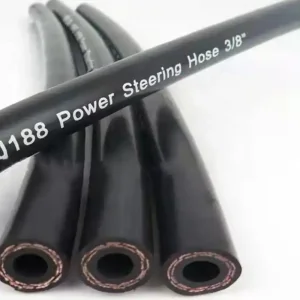
- Material Certifications (ASTM, SAE, DIN): Hoses must strictly adhere to international codes such as SAE J20 for coolant hoses or SAE J188 for hydraulic lines, with complete test documentation available for every production run.
- Rapid Prototyping (3D Molding & CAD integration): To support fast vehicle development cycles, suppliers need to go from drawing approval to physical prototypes within 15 days.
- Advanced Environmental Auditing: Major global brands require partners to maintain active ISO 14001 certificates, confirming sustainable water usage, clean extrusion practices, and low-waste manufacturing.
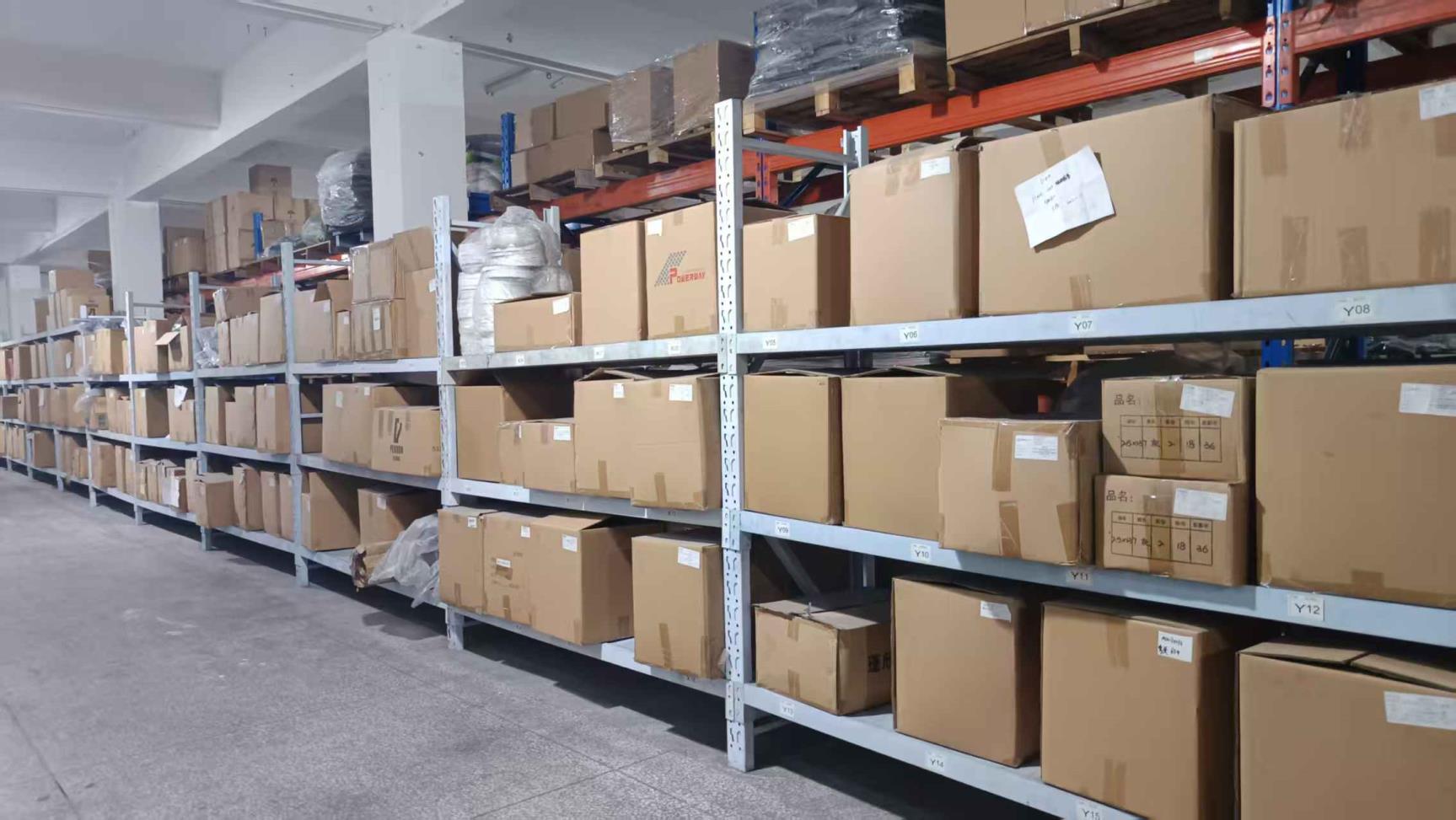
- Consolidated Logistics & Customs Support: Experienced manufacturers provide pre-cleared, cross-border customs packaging, container utilization planning, and direct DDP delivery options.
3. China Factory 4.0: Supply Chain Resilience & Manufacturing Edge
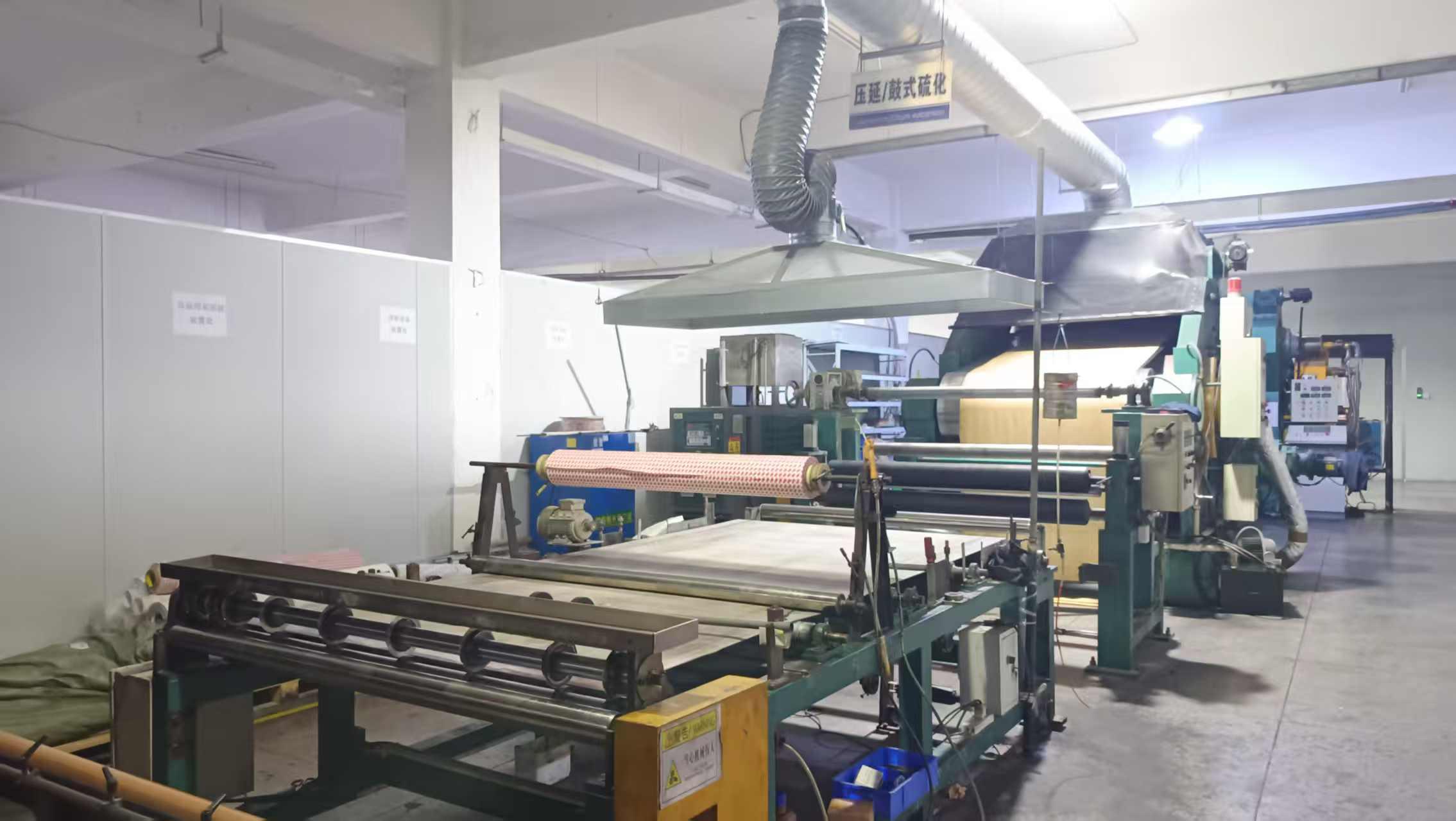
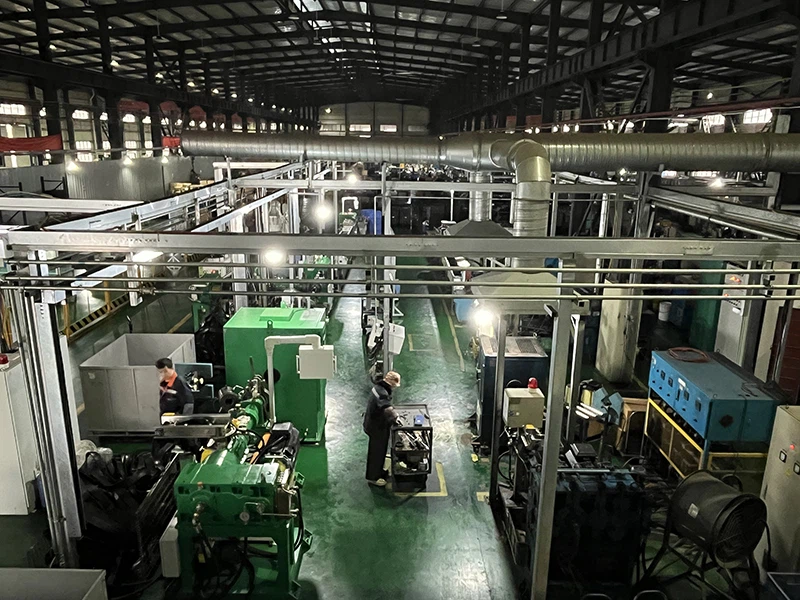
The stereotype of low-cost, low-quality manufacturing has been replaced by the realities of China's Factory 4.0. In the automotive piping industry, this shift is characterized by automated extrusion lines, computer-controlled vulcanization chambers, and optical sort-testing.
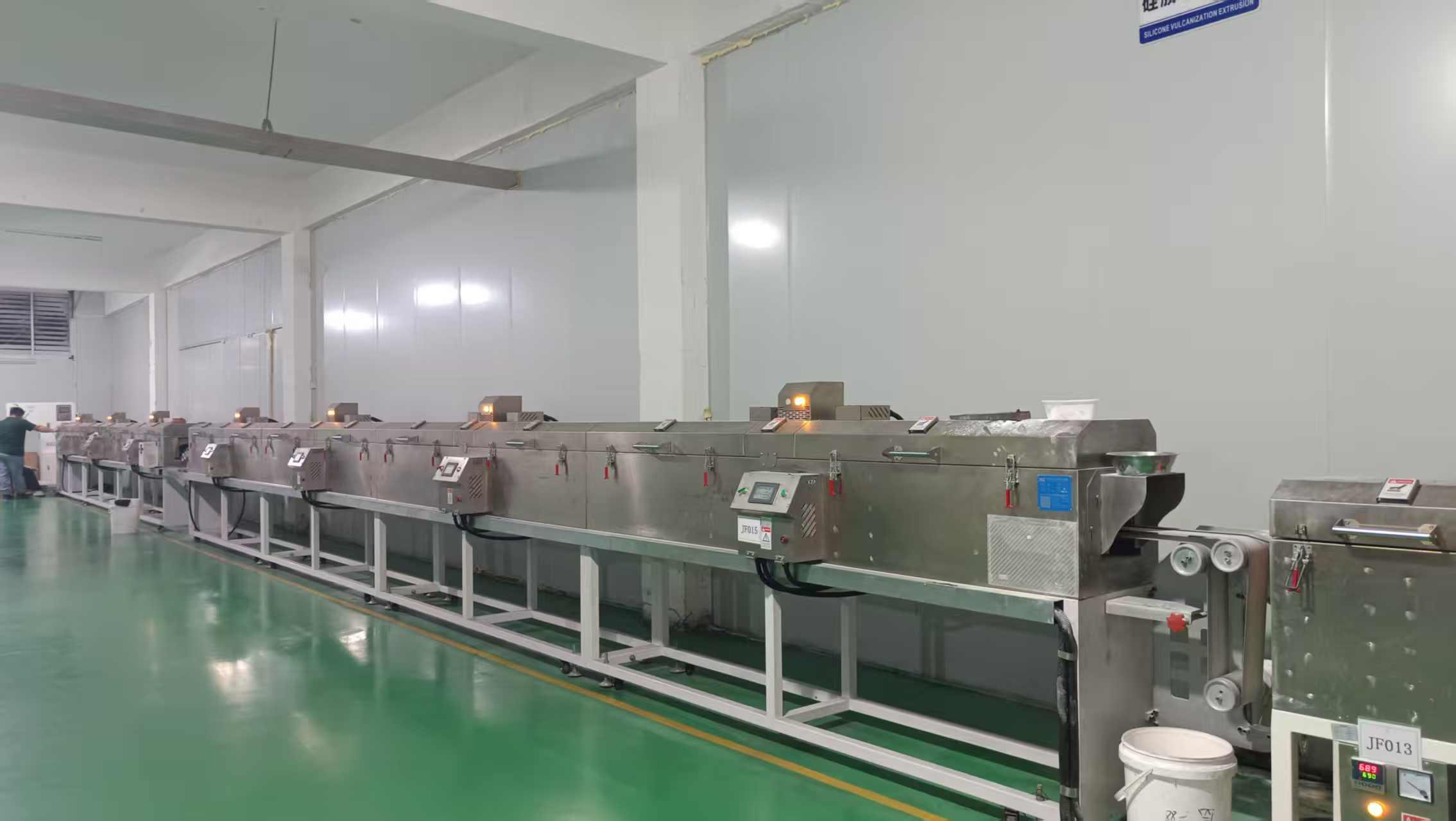
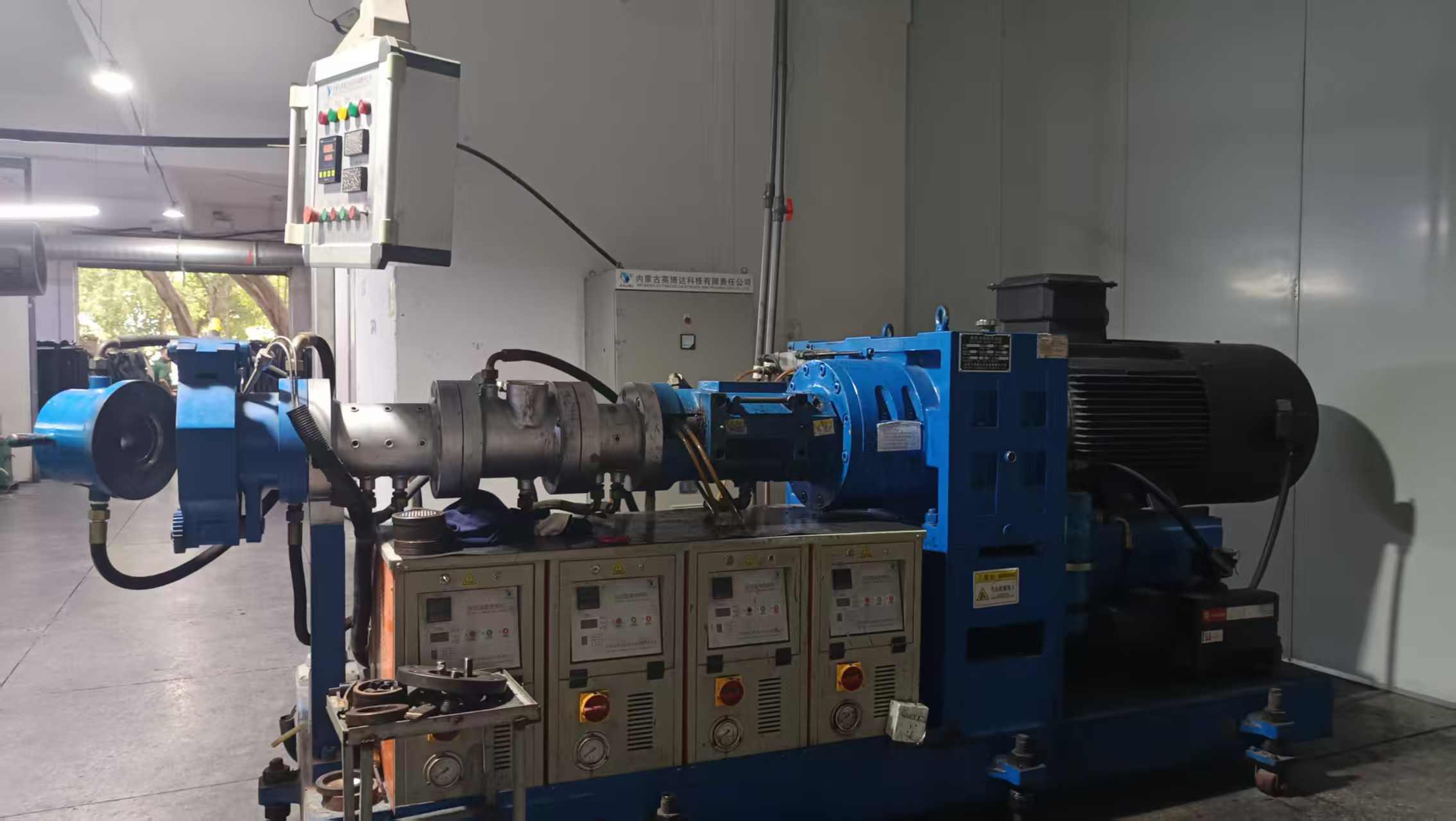
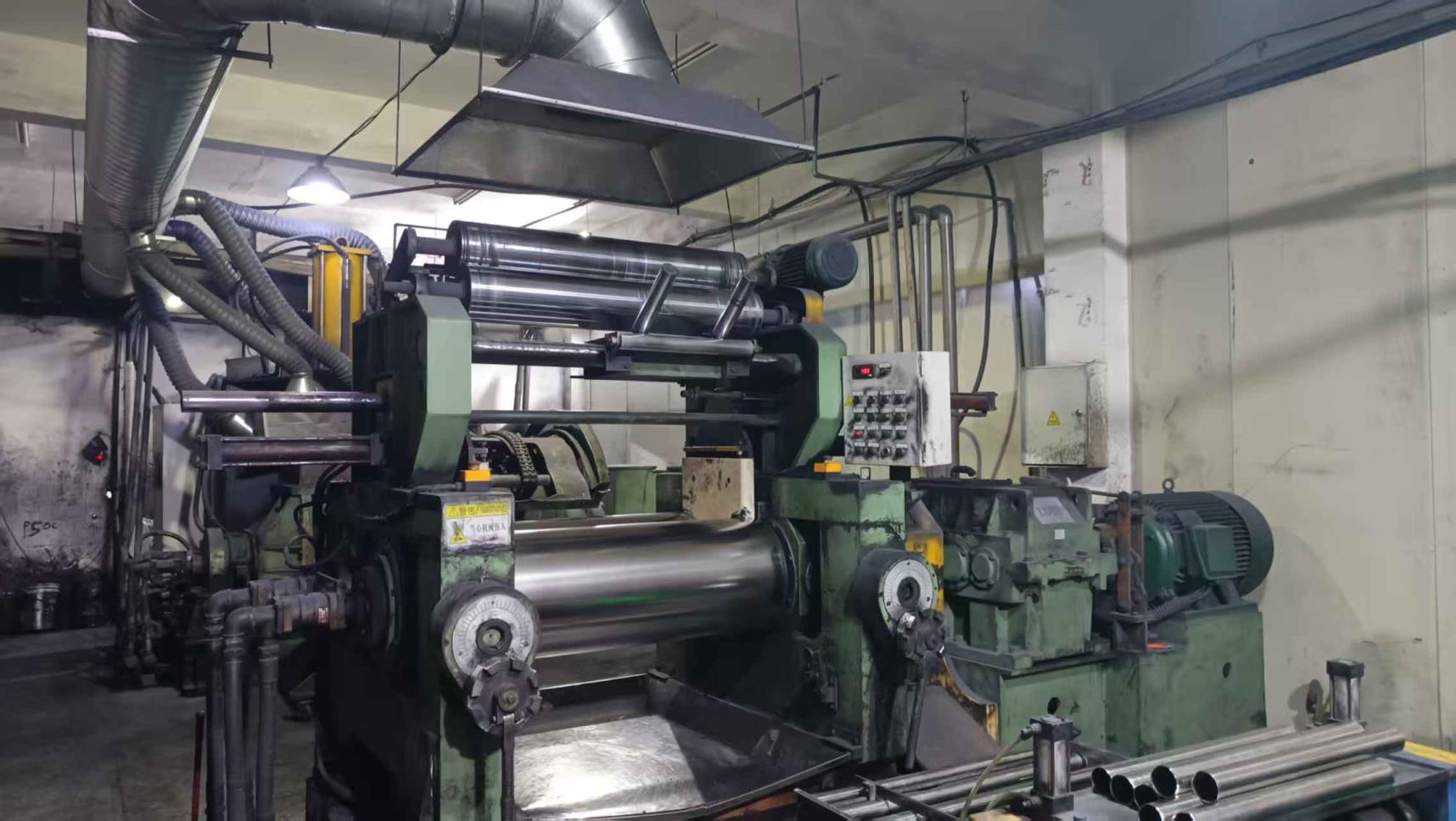
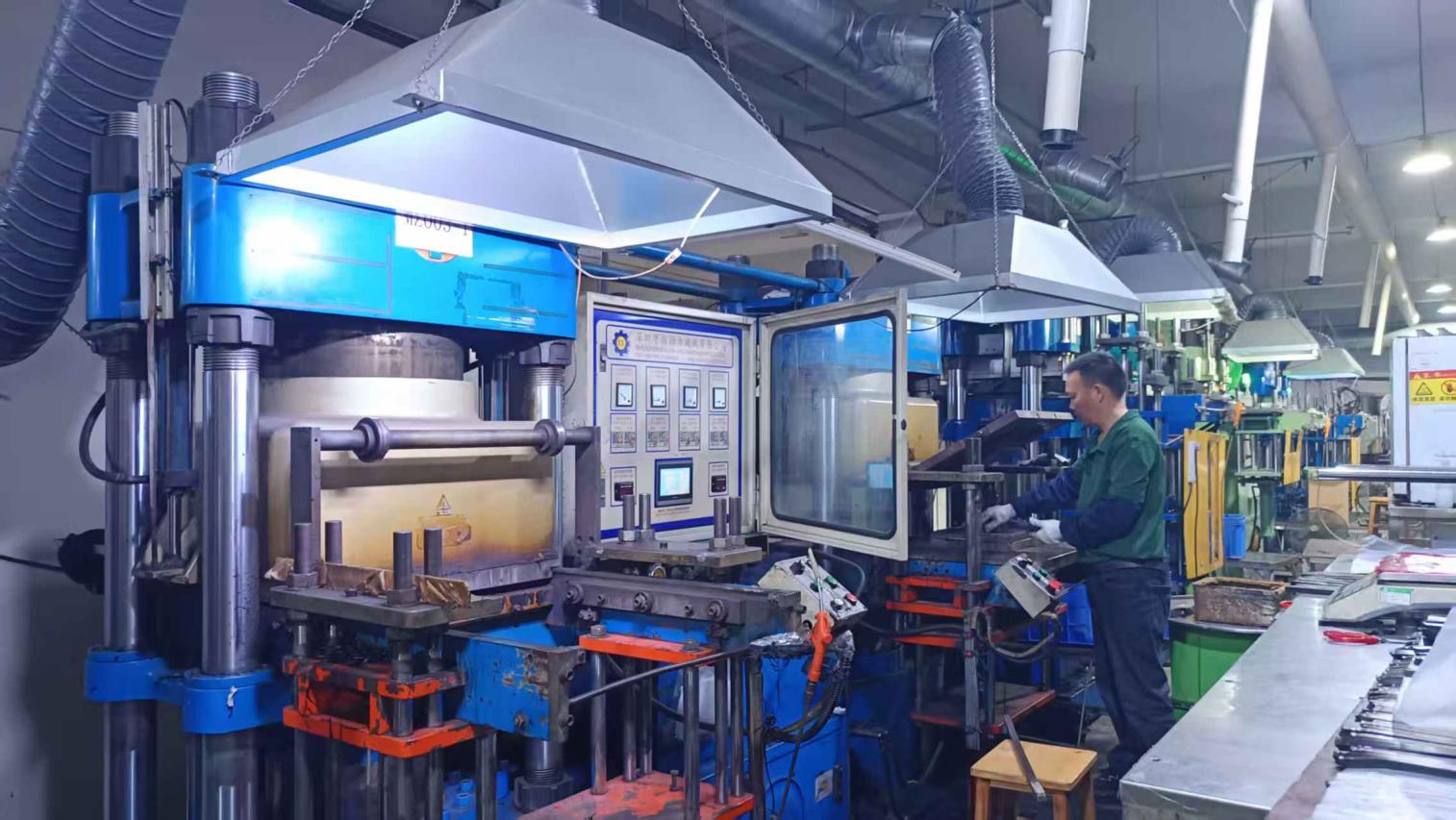
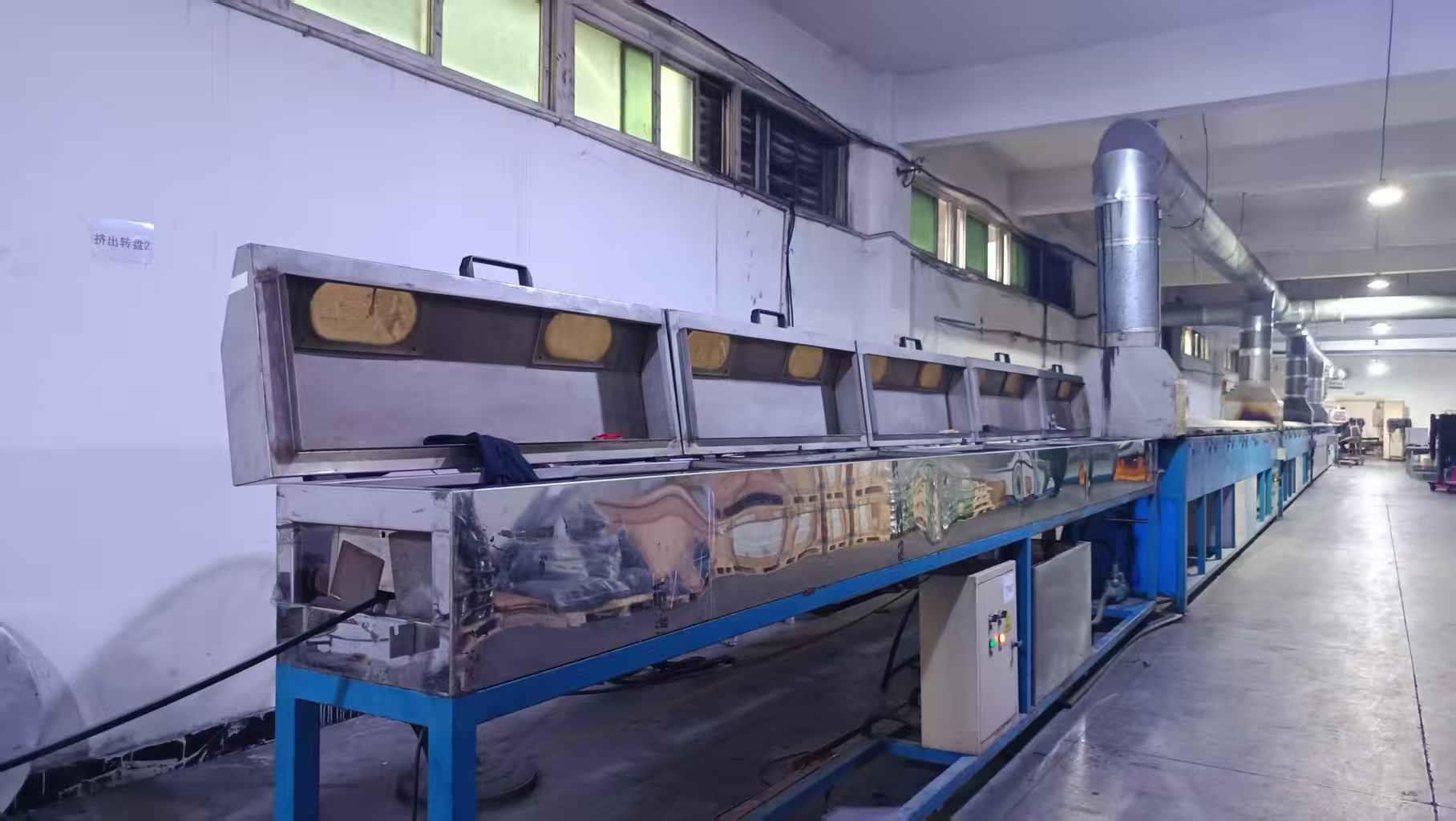
At Guangzhou Marketo Auto Co., Ltd., we utilize automated cold feed vacuum extrusion lines alongside microwave curing systems. This process ensures the elastomer's molecular matrix is cured evenly throughout, avoiding weak points that can lead to high-pressure failures.
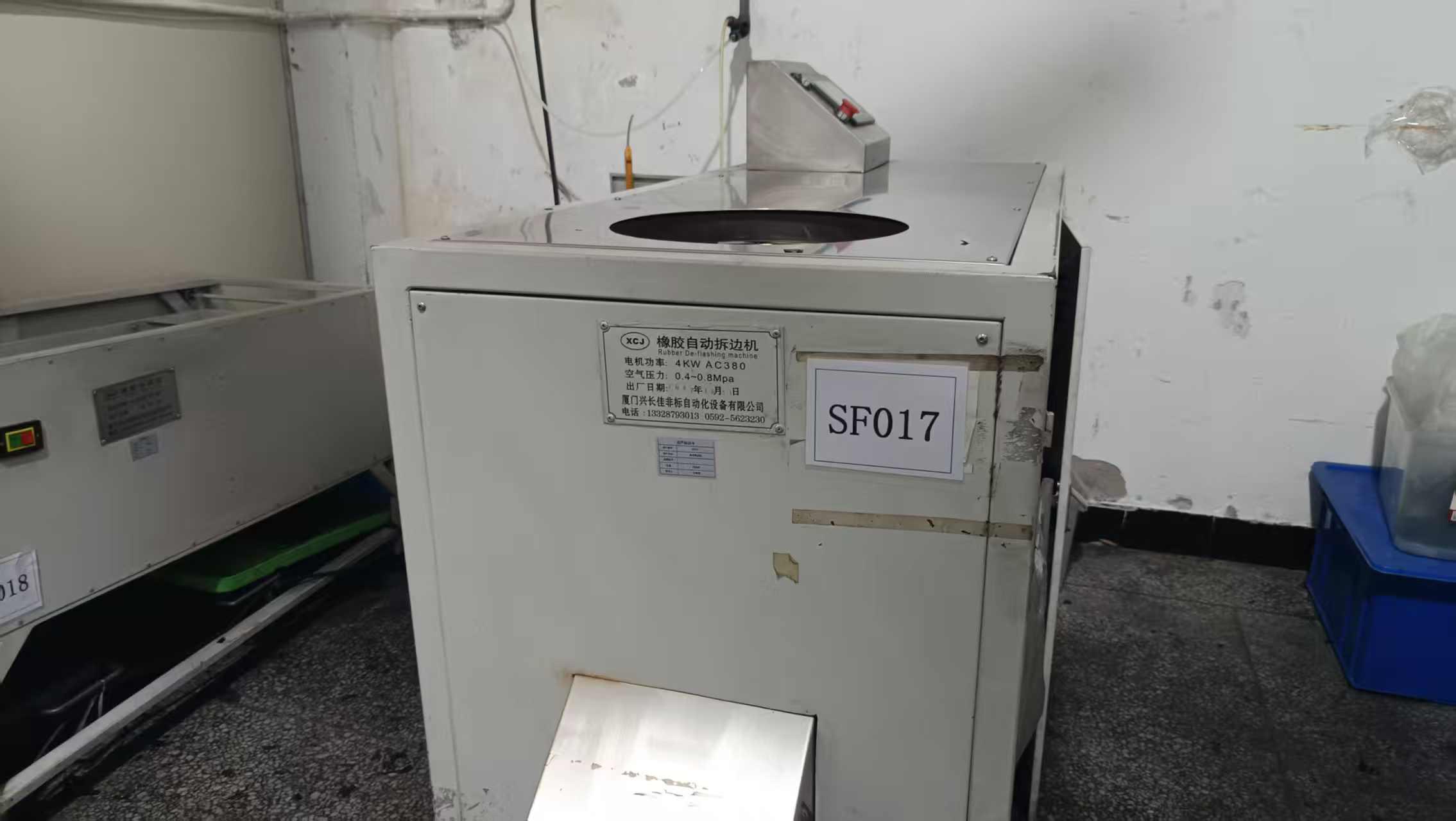
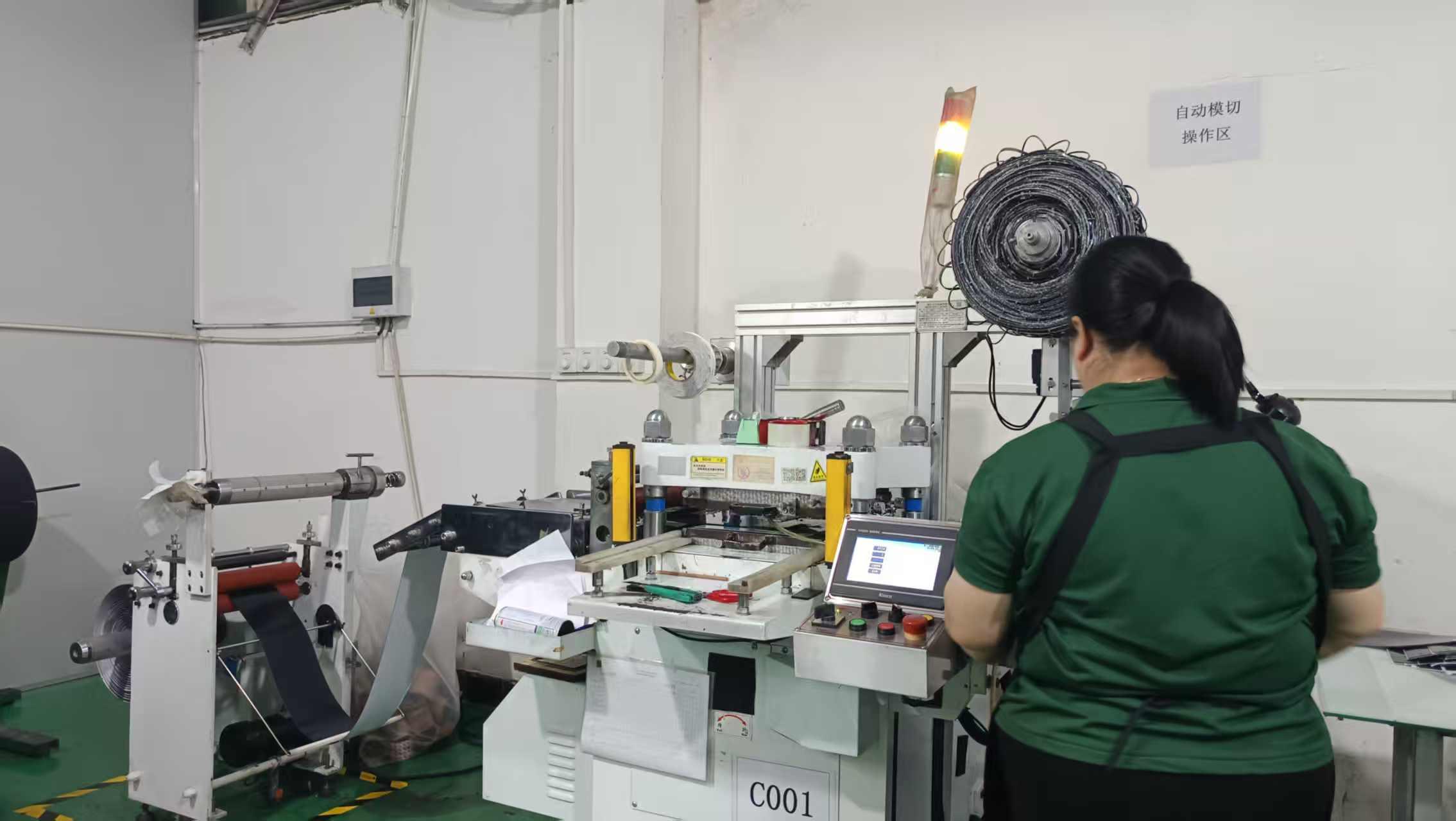
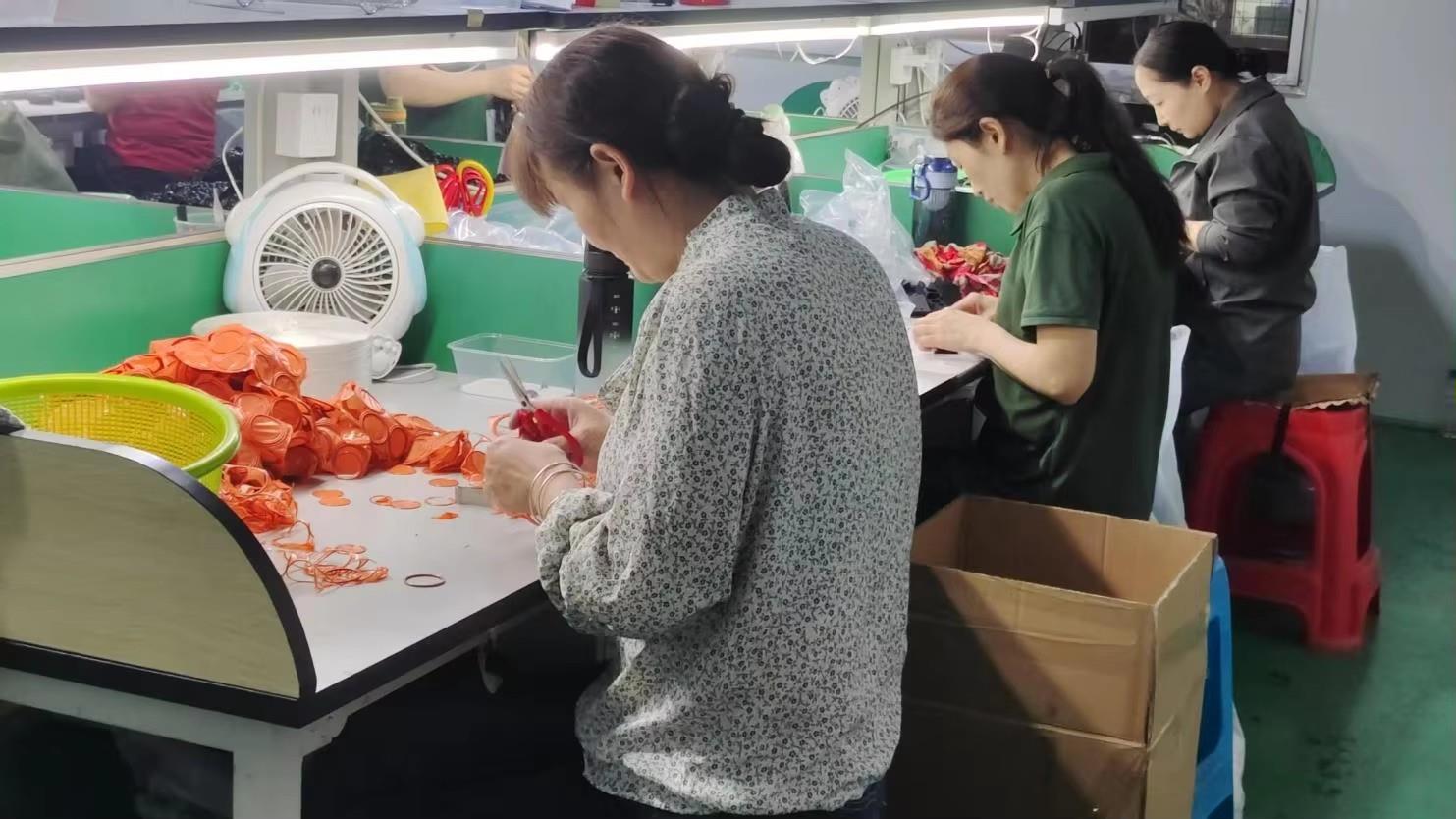
By combining raw material processing, vulcanization, precision die-cutting, automated assembly, and pressure testing in one continuous flow, we reduce human error and maximize efficiency. The result is a resilient supply chain capable of producing large volumes of high-performance hoses at competitive prices.
4. Key Application Scenarios & Engineering Case Studies
Coolant and bypass lines are required to perform reliably in a wide range of challenging environments:
Passenger Vehicle Thermal Systems
In compact, turbocharged direct-injection (TDI) systems, bypass coolant hoses run adjacent to the turbo exhaust housing. These setups require custom-molded, multi-branch hoses made from silicone or peroxide-cured EPDM, wrapped in heat shields to handle intense radiant heat.
Commercial Fleet & Heavy-Duty Trucks
Class 8 trucks operate under continuous high pressures for long distances. Fleet buyers choose heavy-duty silicone hoses reinforced with Aramid fiber, designed to handle over 1 million miles without hardening, cracking, or causing coolant leaks.
New Energy Vehicles (NEVs) & EV Battery Packs
Electric vehicle battery packs rely on precise coolant loops to maintain temperatures between 15°C and 35°C. These systems use complex, multi-connection hose assemblies with low-permeability materials to prevent moisture from entering the battery housing.
Industrial Generators & Agricultural Equipment
Stationary power systems and tractors run under heavy loads in dusty, vibration-heavy environments. Reinforced bypass hoses with thick outer layers are essential to protect the lines from abrasive wear and debris impact.
5. Sourcing Guide: Criteria for Evaluating Global Top 10 Suppliers
When selecting a supplier for critical fluid-routing systems, procurement teams should evaluate potential partners using a structured framework:
- Production Standards & Quality Certifications: Confirm the supplier maintains active IATF 16949:2016 certifications, which is the global quality standard for the automotive industry.
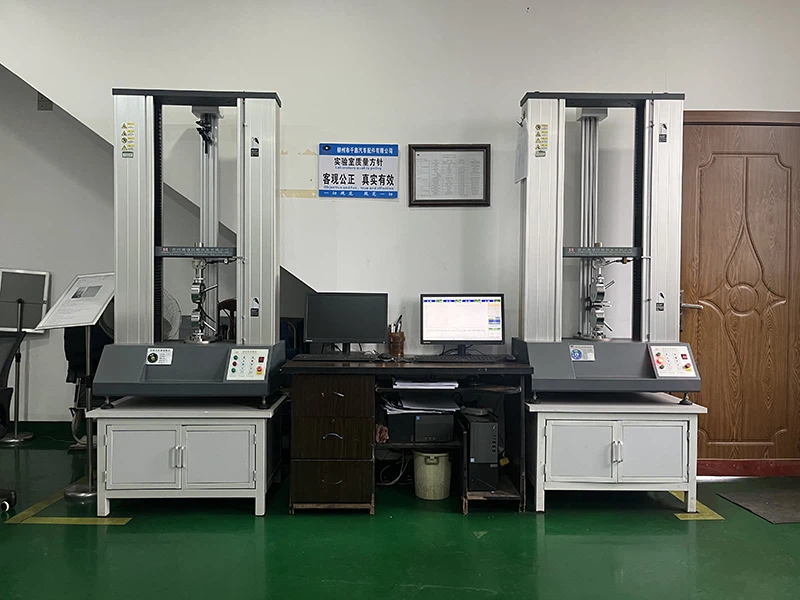
- In-House Testing Capabilities: Top manufacturers feature on-site labs for ozone resistance testing, burst pressure testing, tensile strength evaluation, and thermal aging analysis.
- Material Authenticity and Quality Control: Verify the supplier uses genuine rubber compounds from established international manufacturers, rather than lower-grade recycled options that can degrade prematurely.
- Engineering and R&D Capability: Look for partners who can collaborate on design, run flow simulations, and provide optimized CAD designs rather than just manufacturing based on existing drawings.